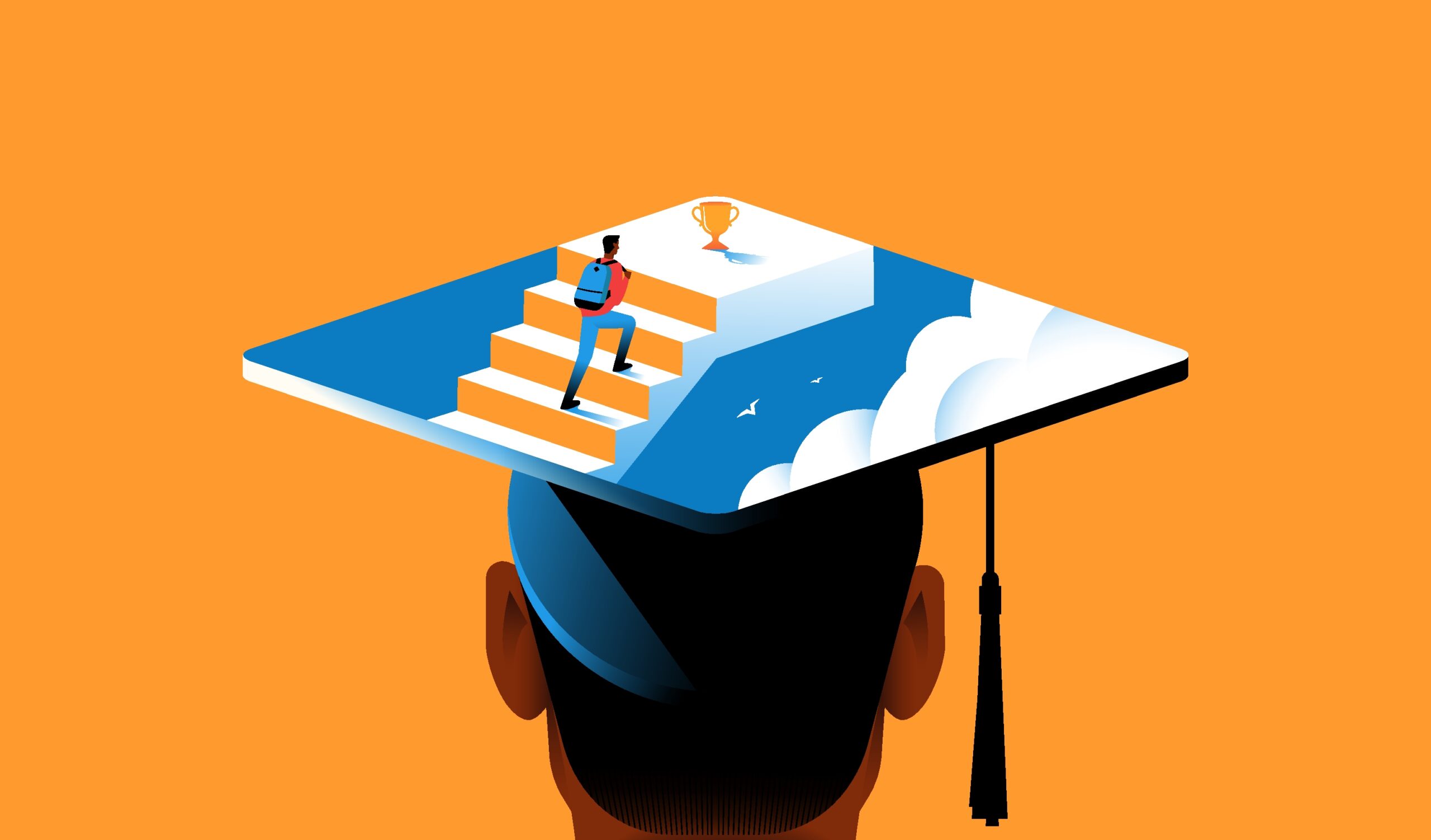
Future-ready skills represent a shift in how educators define student success. Rather than focusing solely on subject mastery, schools increasingly emphasize personal, social, and cognitive abilities that help students function effectively in complex environments.
These skills include communication, collaboration, problem-solving, and emotional management. They differ fundamentally from traditional academic or technical knowledge. A student might excel in mathematics but struggle to articulate ideas to a team or manage stress during challenging projects. Future-ready skills address that gap.
Employers consistently report that graduates lack these capabilities. A 2023 survey by the National Association of Colleges and Employers found that over 80 percent of hiring managers rated critical thinking and teamwork as essential, yet fewer than half of new hires demonstrated proficiency in these areas. Schools that embed these skills into curriculum report better student outcomes in both academic performance and post-secondary transitions.
Schools implement future-ready skill development through project-based learning, collaborative assignments, and social-emotional learning programs. Some districts use rubrics that explicitly measure communication and problem-solving alongside content knowledge. Others integrate mindfulness and conflict-resolution training into daily instruction.
The stakes matter for students. Those who develop strong communication and collaboration skills earn higher salaries and experience greater job satisfaction, according to research from the World Economic Forum. They also show better mental health outcomes and report higher life satisfaction.
However, implementation varies widely. Wealthy districts often have resources for specialized programs and teacher training. Lower-income schools frequently lack funding for these initiatives, widening the gap between advantaged and disadvantaged students.
Teachers play a central role but often receive minimal training in teaching these skills explicitly. Professional development focused on future-ready skill instruction remains limited in many districts, leaving educators uncertain about integration strategies.
The conversation around future-ready skills reflects a broader acknowledgment that education must prepare students for lives of constant change. Technical skills become outdated quickly. Adaptability,