# Summary
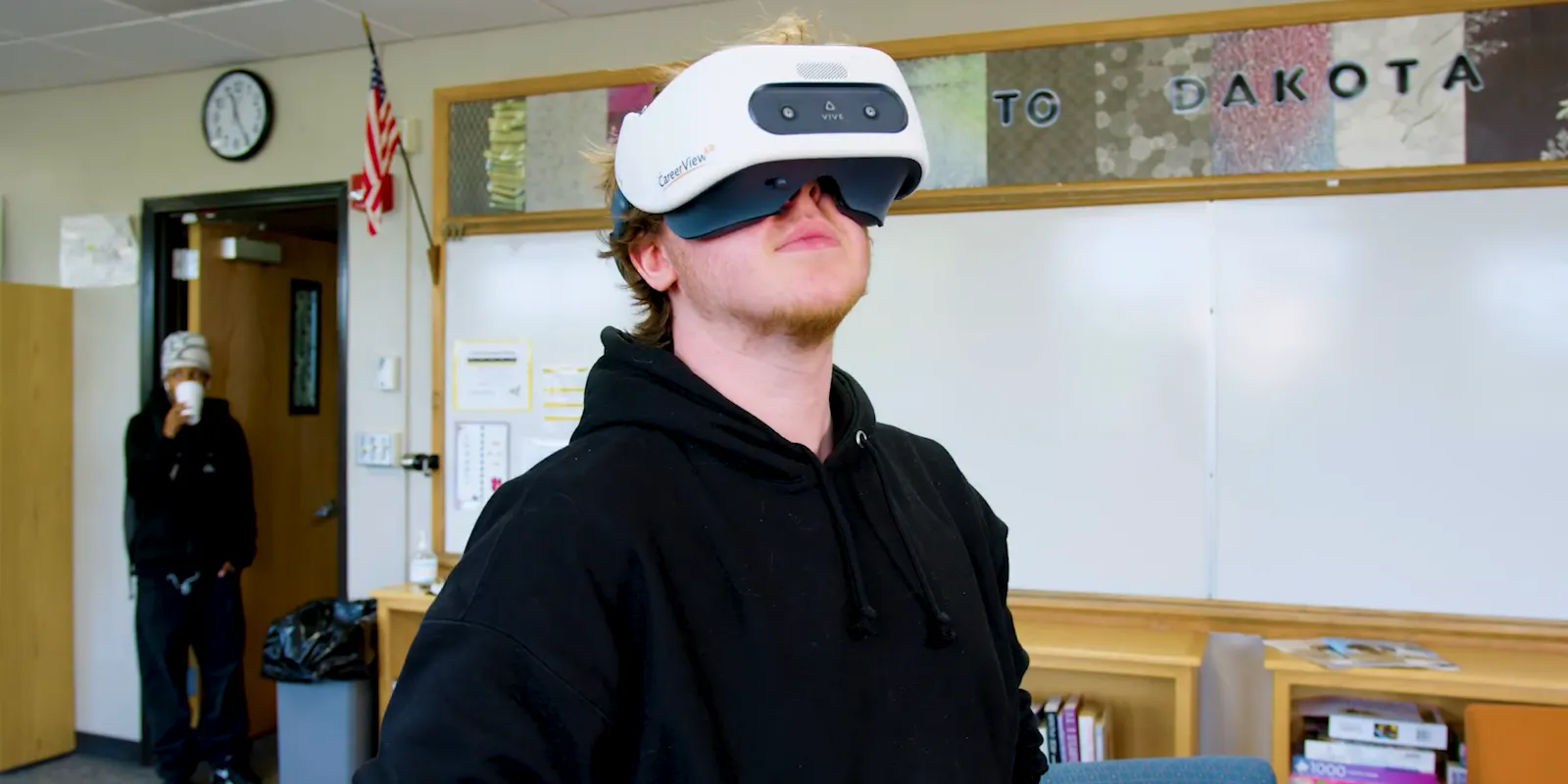
North Dakota schools are deploying virtual reality technology to expose students to careers before they graduate, allowing them to experience jobs ranging from wind turbine technician to emergency room physician to automotive mechanic.
The initiative connects students with hands-on career exploration through immersive VR simulations. Rather than watching videos or reading descriptions of job duties, students physically interact with realistic work environments. A student interested in renewable energy can climb a virtual wind turbine at height. Another can practice medical procedures in a simulated ER setting. A third can troubleshoot engine problems in a virtual garage.
This approach addresses a persistent challenge in K-12 education: career awareness happens too late. Many students reach high school with little understanding of job options, leading to misaligned college choices or workforce gaps in skilled trades. North Dakota's VR program shortens that gap by introducing careers in middle and early high school years when students still have time to pursue relevant coursework or certifications.
The state's focus on wind energy, healthcare, and mechanical trades reflects regional workforce demands. North Dakota faces labor shortages in these sectors, and early exposure builds the pipeline of qualified workers. Schools benefit from reduced dropout rates when students see direct connections between classroom learning and career paths.
VR career simulations offer logistical advantages over traditional field trips. A school doesn't need to transport students to a wind farm or hospital to provide meaningful exposure. The technology scales across rural districts with limited access to major employers.
Success depends on implementation quality and student access. Schools must ensure VR experiences translate into actionable career planning, not novelty entertainment. Equity matters too. Rural and urban students alike need equal access to these simulations.
Early results from similar programs nationwide show increased student engagement in STEM and trade careers. North Dakota's rollout suggests the state recognizes that career exploration belongs in schools alongside academics, and that immersive technology makes that exploration