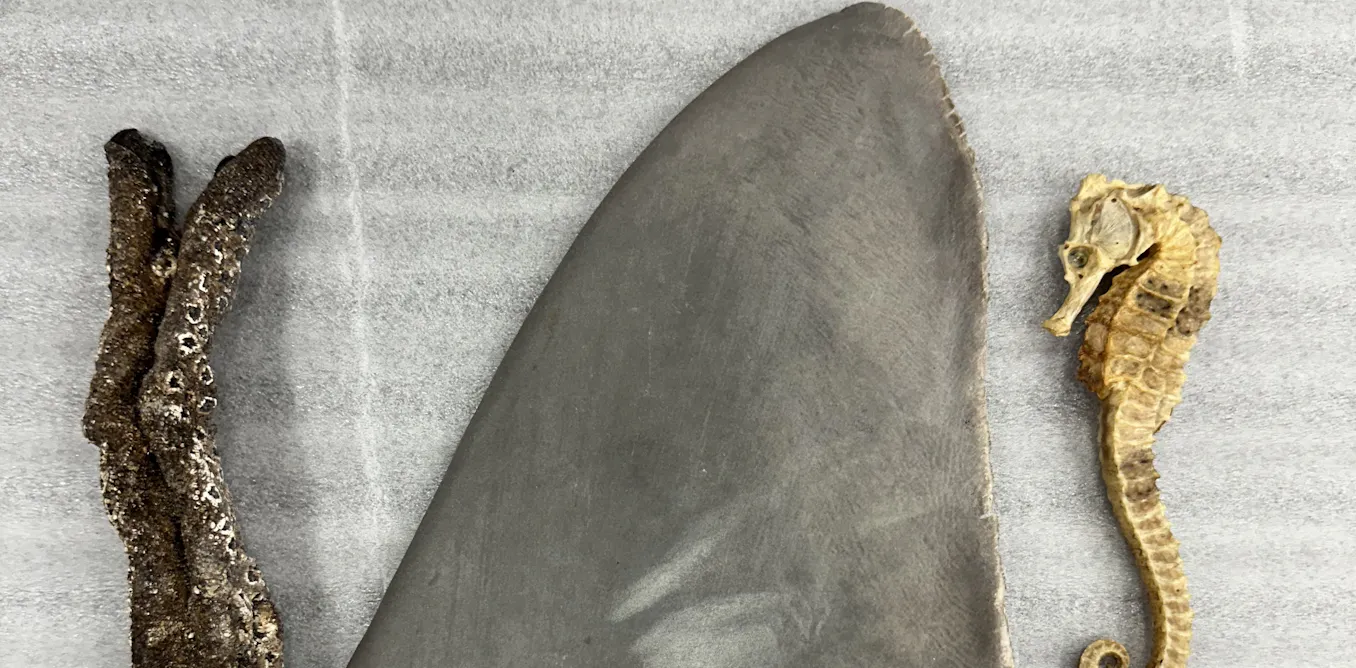
# AI Tool Targets Illegal Marine Wildlife Trafficking
Wildlife trafficking ranks among the world's most lucrative criminal enterprises, generating an estimated $23 billion annually. Marine creatures face particular vulnerability. Seahorses and shark fins represent two of the most trafficked ocean species globally, driven by demand in traditional medicine markets and as luxury food items, particularly in Asia.
The scale of this illegal trade inflicts devastating ecological damage. Seahorse populations have collapsed in many regions due to overharvesting for use in traditional Chinese medicine and the aquarium trade. Shark fin soup, a status symbol in some cultures, drives the killing of millions of sharks yearly, disrupting ocean ecosystems that depend on apex predators for balance.
Enforcement agencies struggle to combat this crime because identifying trafficked species requires specialized expertise. Border officers cannot always distinguish legal shipments from illegal ones, especially when species are processed or disguised. Smugglers exploit these gaps, shipping contraband alongside legitimate goods.
Researchers and conservation organizations are now deploying artificial intelligence to close enforcement gaps. AI systems trained to recognize visual patterns in images can identify species from tissue samples, fins, and dried remains with speed and accuracy that exceeds manual inspection. These tools process shipments at ports and borders faster than traditional identification methods, helping customs officials flag suspicious cargo before it enters illegal markets.
The technology targets the four thousand species affected by wildlife trafficking, but marine species present specific challenges because many are small, fragmented, or processed beyond easy recognition. AI image recognition and DNA-matching algorithms address this by creating digital signatures of protected species.
Organizations including the World Wildlife Fund and TRAFFIC, a wildlife trade monitoring network, support AI adoption at high-risk border crossings. Early pilots show promise in Southeast Asian ports, where much of the marine trafficking occurs. However, success depends on sustained funding, integration with existing customs databases, and training enforcement personnel to use these tools effectively.