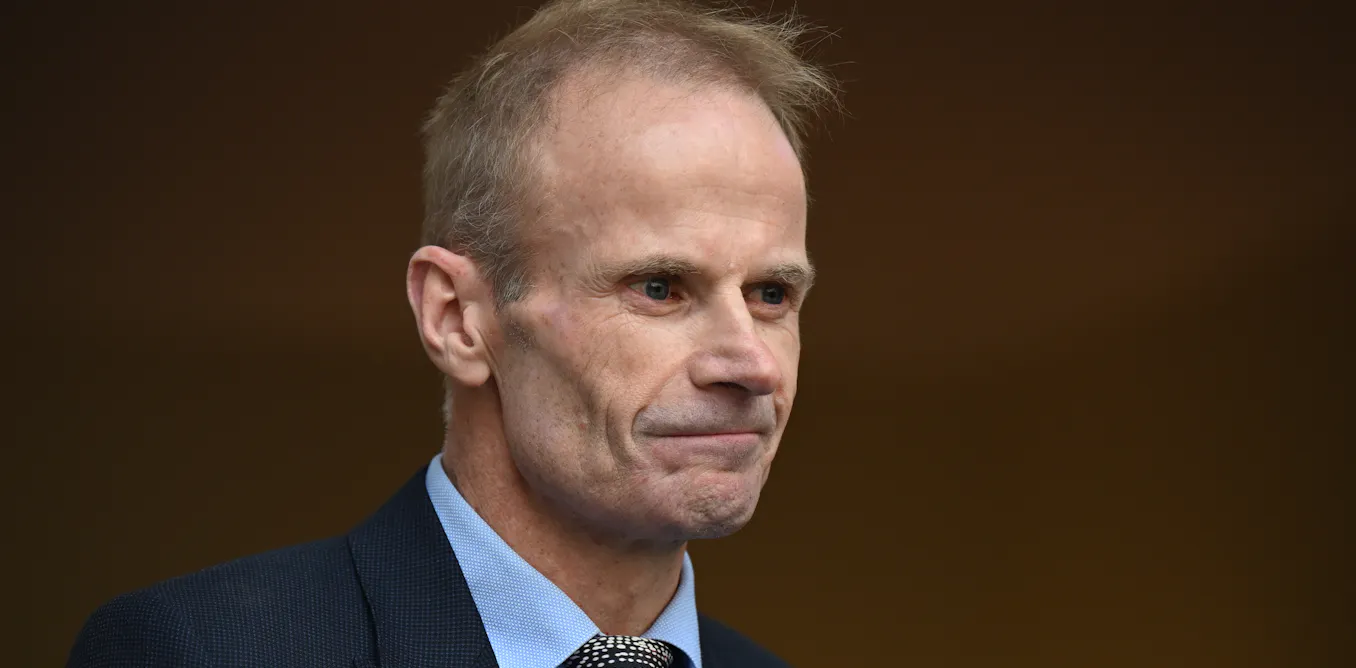
Richard Scolyer, a pioneering neurosurgeon and brain cancer researcher, died Sunday at age 59. His death marks the end of a remarkable career in neuro-oncology and a life defined by advancing treatment options for glioblastoma, one of the most aggressive brain tumors.
Scolyer gained international recognition when he volunteered for an experimental treatment he himself had helped develop. His willingness to test cutting-edge therapies on his own condition demonstrated the depth of his commitment to understanding brain cancer from both clinical and personal perspectives. This dual role as both researcher and patient provided him unique insight into the disease's progression and treatment effects.
Throughout his career, Scolyer contributed significantly to glioblastoma research at major institutions. His work focused on understanding tumor biology and developing novel therapeutic approaches. He published extensively and collaborated with researchers across multiple continents, establishing himself as a thought leader in neuro-oncology.
Glioblastoma remains one of the most lethal brain cancers, with median survival times historically around 14 months even with aggressive treatment. Standard care typically combines surgery, radiation, and chemotherapy, yet outcomes remain poor. Researchers like Scolyer pursued experimental approaches including targeted therapies and immunotherapy to improve survival rates and quality of life.
Scolyer's decision to participate in experimental treatment while leading research efforts positioned him uniquely to advocate for patients and inform clinical practice. His firsthand experience navigating the disease trajectory allowed him to champion patient-centered research and realistic discussions about prognosis and treatment burden.
His legacy extends beyond specific research findings. Scolyer modeled the possibility of rigorous, compassionate neurosurgery and oncology research. His willingness to take personal risks in pursuit of scientific advancement inspired colleagues and raised global awareness of brain cancer research needs. The experimental approaches he championed continue to influence treatment strategies in ne