Gen Z students express cautious optimism about artificial intelligence despite widespread concerns about its impact on employment and education, according to a new report examining the generation's career expectations and values.
The survey ranks Gen Z's top 100 dream colleges and preferred employers while tracking how AI shapes their decision-making. Young people acknowledge risks posed by automation and algorithmic bias, yet most view AI as a tool that will create opportunities rather than eliminate them entirely.
This optimism contrasts with broader public anxiety. Parents, educators, and policymakers have raised alarms about AI's effect on job security, academic integrity, and equitable access to technology. Schools grapple with whether to ban or integrate AI tools in classrooms. Universities debate how to prevent cheating while teaching students to work responsibly with these systems.
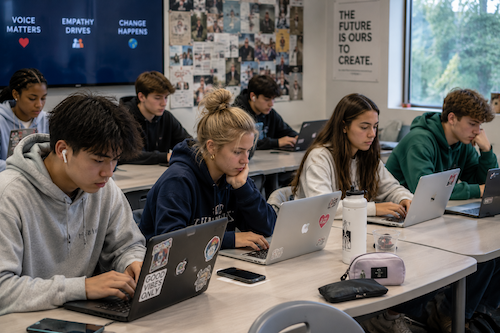
Gen Z's perspective reflects their lived experience. These students came of age with smartphones, social media, and now AI assistants built into everyday tools. They view technological disruption as normal rather than exceptional. Many see learning to work alongside AI as essential career preparation, not a threat to employment.
The report also highlights what matters most to Gen Z when choosing colleges and employers: companies and institutions that demonstrate commitment to ethical AI use, diversity, and sustainable practices rank highest. Students actively seek out organizations with transparent policies about how they develop and deploy artificial intelligence.
This generation's optimism carries important implications for education policy. Schools and universities that ignore AI or attempt to block it entirely risk disconnecting from student values and failing to prepare graduates for workplaces where AI literacy has become baseline. Institutions that teach critical thinking about AI's benefits and risks, alongside practical skills for using these tools responsibly, better align with what Gen Z expects.
The data suggests young people want neither blind enthusiasm nor paralyzing fear around AI. They want honest conversation about both opportunity and responsibility. Educational leaders who frame AI as something to understand and guide, rather than something