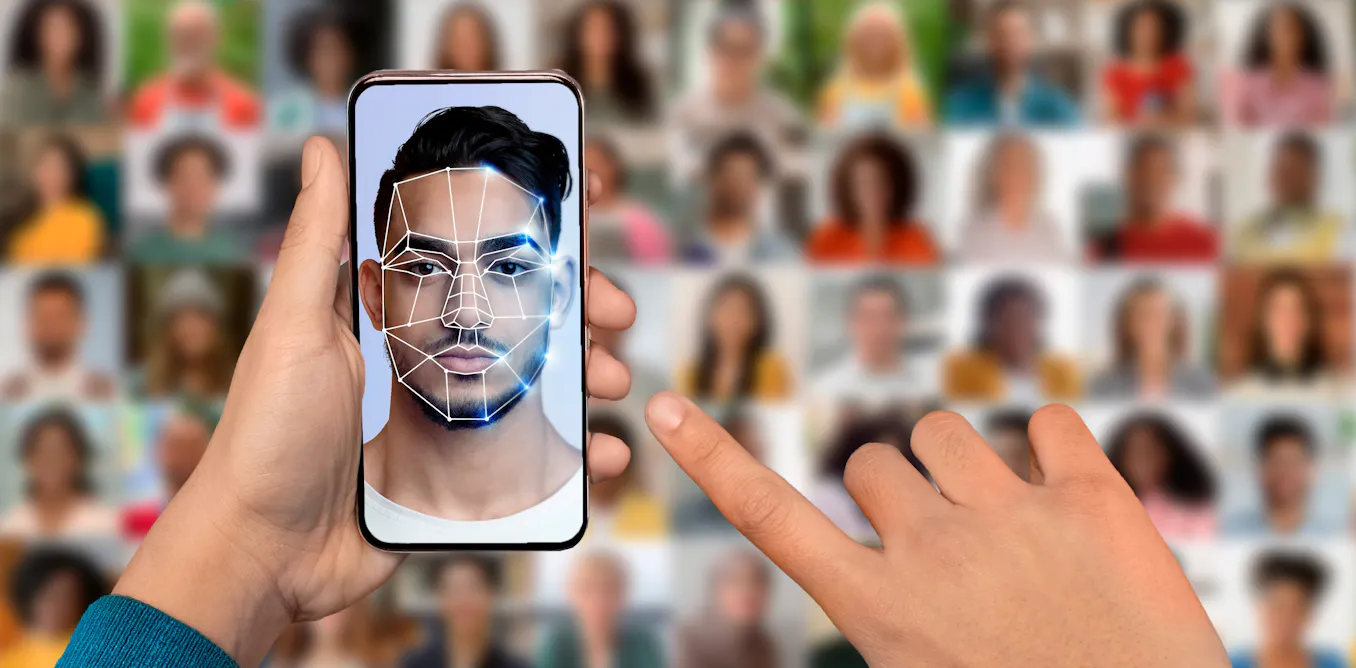
The UK Home Office plans to deploy artificial intelligence for age estimation of asylum seekers, relying on algorithms that claim accuracy within three years across all age groups. This decision marks a significant shift in how British immigration authorities assess whether applicants qualify as minors under legal protections.
The technology works by analyzing facial features and other biometric data to predict chronological age. Leading algorithms report a mean absolute error of less than three years, meaning predictions fall within that margin most of the time. However, this margin becomes problematic in practice. For a 17-year-old, an error of three years produces an age estimate of 14 or 20. At 18, the legal threshold for adult asylum procedures, a three-year error pushes someone into drastically different treatment pathways.
Age determination matters enormously. Minors receive enhanced legal safeguards, including access to guardianship, educational placement in youth-focused settings, and protection from certain detention practices. Adults face expedited assessment timelines and different accommodation standards. Misclassification through AI error could strip vulnerable young people of critical protections.
Researchers studying facial recognition across ethnic groups have documented persistent accuracy gaps. Algorithms trained predominantly on European faces show higher error rates for applicants from African, Middle Eastern, and South Asian backgrounds. Asylum seekers disproportionately come from these regions, raising fairness concerns about deployment without cross-demographic validation.
The Home Office has not yet published peer-reviewed research on its specific algorithm's performance across diverse populations or explained how it will integrate AI estimates with other assessment methods. Medical evaluation, dental examination, and clinical judgment remain available but resource-intensive alternatives.
Advocates and child protection organizations argue the government should maintain human-led assessments, particularly for borderline cases. They point to documented instances where AI age estimation has incorrectly classified young people as adults in other jurisdictions, leading to placement in