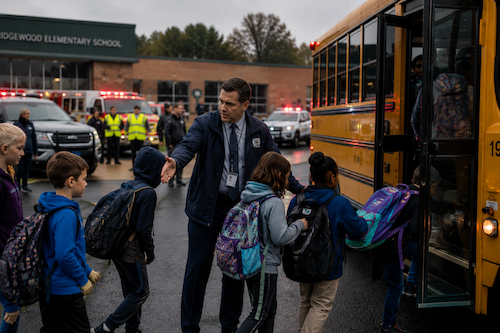
# How Comprehensive School Safety Planning Protected Our Teachers and Students
School safety planning often gets dismissed as bureaucratic checklist work. In practice, it functions as a concrete protective system that prevents harm and saves lives.
Comprehensive safety planning goes beyond paperwork. It requires schools to integrate multiple layers of defense: physical security improvements, threat assessment protocols, staff training, emergency drills, and mental health resources. When districts implement these components together, they create redundancy. If one system fails, others catch the gap.
The most effective plans address both prevention and response. Prevention means identifying students in crisis through behavioral threat assessment teams. It means securing buildings with controlled access points and surveillance. It means training staff to recognize warning signs. Response means having clear evacuation procedures, communication protocols, and designated safe zones that students and teachers practice regularly.
Staff preparation proves critical. Teachers and administrators need training on de-escalation, recognizing mental health emergencies, and their role in emergency protocols. Drills must happen frequently enough that responses become automatic, not panicked. Students also benefit from age-appropriate safety education so they understand what to do.
Mental health integration separates high-performing safety plans from minimal compliance efforts. Schools that embed counselors, social workers, and psychologists into their systems catch students in distress early. They address root causes rather than only responding to crises.
Communication infrastructure matters too. Two-way radios, alert systems, and parent notification protocols ensure that information moves quickly during emergencies. Confusion during a crisis creates additional danger.
Data tracking helps districts refine their approaches. Schools that monitor incident reports, threat assessments, and drill effectiveness identify patterns and gaps. This feedback loop strengthens each year's planning.
The investment in comprehensive planning takes resources: staff time, training budgets, technology, and ongoing assessment. Districts that commit to this work report measurable outcomes: fewer incidents, faster threat identification, improved student