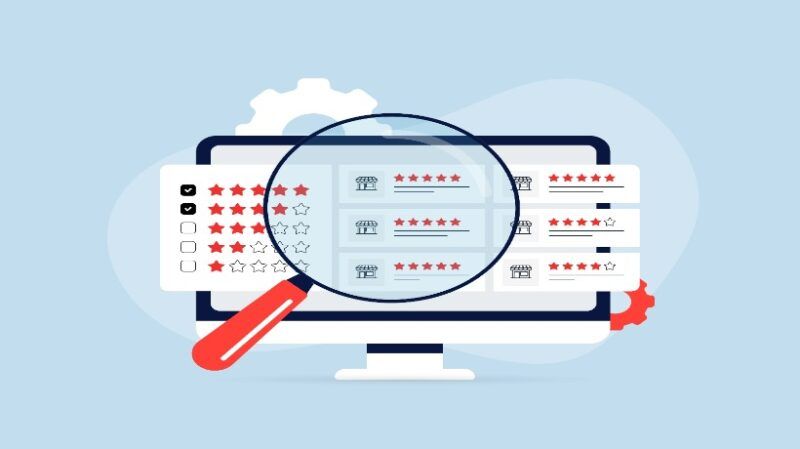
The online learning industry faces a mounting credibility crisis as fake reviews, undisclosed affiliate relationships, and artificially inflated ratings proliferate across platforms. These deceptive practices undermine the ability of students to make informed decisions about courses and programs worth hundreds or thousands of dollars.
The problem operates through multiple mechanisms. Course platforms and third-party review sites host testimonials from fake accounts or paid reviewers with no genuine experience using the product. Affiliate marketers promote courses while hiding financial incentives, creating conflicts of interest that skew recommendations. Rating systems get manipulated through coordinated review campaigns that artificially boost course scores.
The scale of the issue is expanding. As the online education market grows, so does the financial incentive to game review systems. Platforms competing for enrollment dollars face pressure to show high ratings, creating environments where deception thrives. Many consumers lack awareness that reviews they read may be purchased rather than earned.
Unlike traditional industries where regulatory bodies monitor advertising claims, online education operates in looser oversight territory. The Federal Trade Commission has enforcement authority but cannot monitor every platform. Most online learning sites rely on self-regulation, which has proven insufficient.
A credible verification standard would require platforms to authenticate reviewer identities, disclose affiliate relationships prominently, and implement third-party audit systems. Course creators should provide verifiable completion data and student outcomes. Independent review platforms could establish journalism-grade fact-checking for educational claims.
Students, parents, and employers making education decisions need reliable information. When fake reviews dominate search results and comparison sites, people waste money on poor-quality courses or avoid legitimate programs based on false criticism. The damage extends beyond individual transactions. Widespread fraud in online education erodes institutional trust at a moment when millions depend on digital learning for career advancement.
Building sustainable trust requires enforcement mechanisms with teeth, industry standards that most platforms adopt, and transparency about how reviews get generated and weighted. Without these changes,