# Finding the "Low Way": Reclaiming Creativity in Schools
A parent's simple question from her young daughter about taking the scenic route has become a metaphor for what schools are losing. The "low way" represents exploration, discovery, and the freedom to wander. In classrooms increasingly dominated by standardized testing and accountability measures, creativity often gets sidelined.
Schools face a genuine tension. Assessment and accountability frameworks serve purposes. They track student progress and ensure equity. Yet the focus on measurable outcomes has compressed instructional time devoted to open-ended projects, artistic exploration, and creative problem-solving.
Research consistently shows that creativity matters for student development. Creative thinking builds resilience, helps students approach challenges from multiple angles, and prepares them for jobs that don't yet exist. Students who engage in creative work develop stronger communication skills and deeper engagement with content than those confined to test preparation.
The challenge is structural. Teachers operate under pressure to raise test scores. Administrators face accountability demands. Resources go toward preparing students for high-stakes exams rather than maintaining art programs, music classes, or open laboratory time for experimentation. Many schools have cut arts and enrichment offerings to prioritize reading and math instruction.
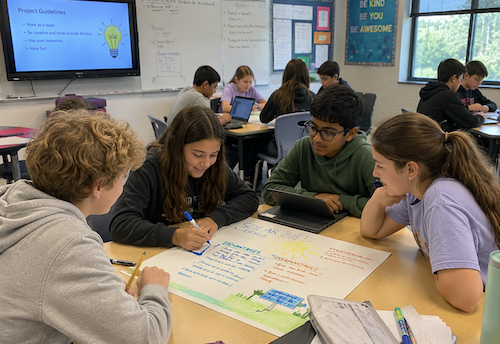
Yet pockets of change exist. Some educators deliberately build creative time into their schedules. Project-based learning models integrate creativity with content mastery. Schools that treat creativity as essential rather than optional report stronger student outcomes across academic measures, not just in creative domains.
The question is whether schools will reclaim space for the "low way." This doesn't mean abandoning accountability. It means recognizing that students need time to explore ideas without immediate performance pressure. They need chances to revise, experiment, fail, and discover their own thinking.
Teachers report that when students have this freedom, engagement increases. Students take ownership of their learning. The work becomes theirs, not something imposed from above.
Recla