# Some Advocates Concerned as States Push for Cameras in Special Education Classrooms
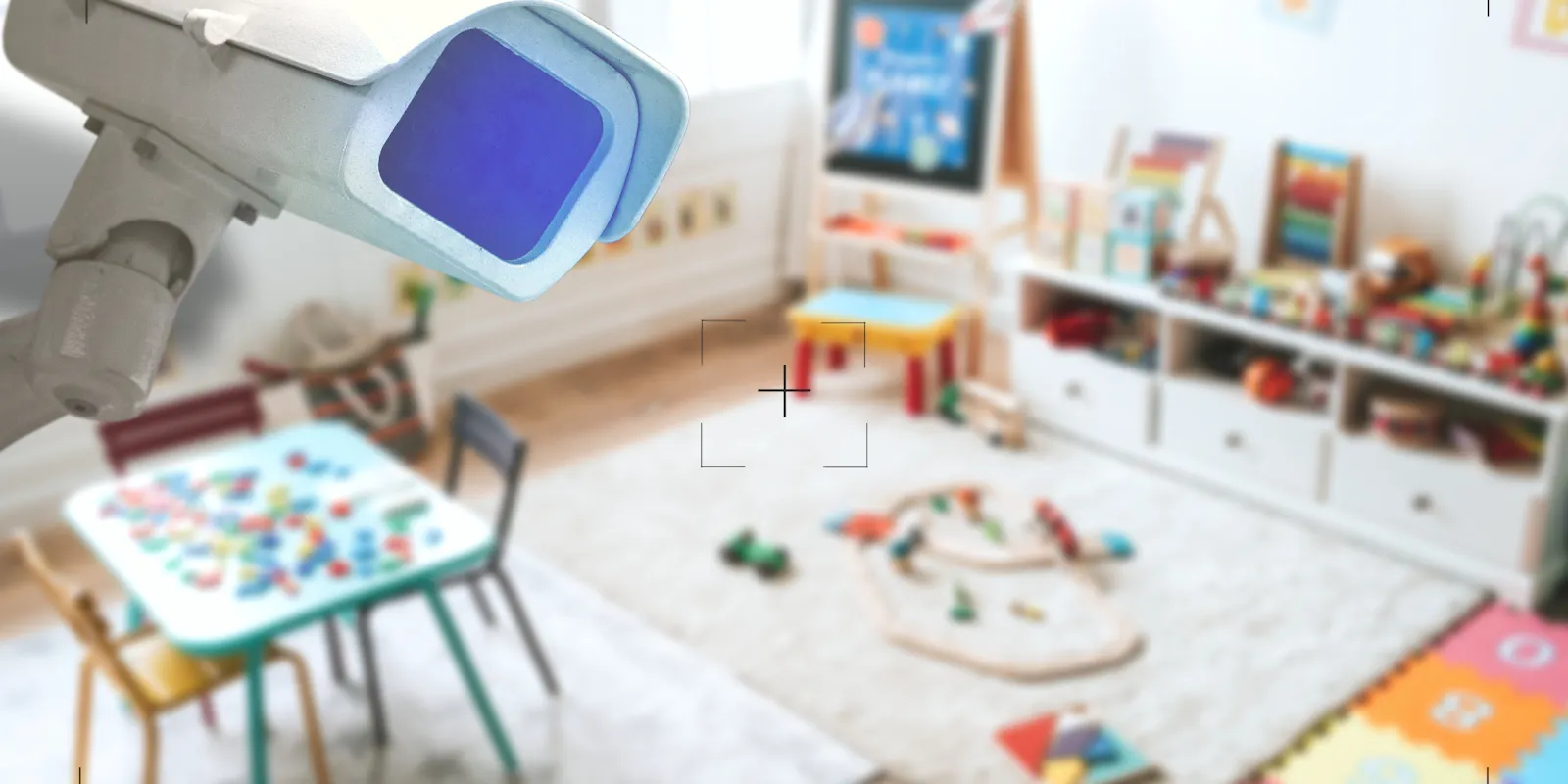
A growing number of states are installing surveillance cameras in special education classrooms, sparking concern among disability advocates who worry the practice may violate student privacy and reinforce stigma around students with disabilities.
The push comes partly from schools seeking to document potential abuse and protect vulnerable students. Proponents argue cameras deter misconduct and provide evidence if incidents occur. Some districts frame the cameras as a safeguard for both students and teachers.
Yet advocates raise serious objections. Disability rights groups contend that surveilling special education students exclusively creates a two-tiered system that singles out disabled children for monitoring unavailable to their general education peers. This differential treatment, they argue, reinforces harmful stereotypes and treats disabled students as inherently at-risk rather than as regular students needing appropriate accommodations.
Privacy concerns run deeper. Special education records contain sensitive information about students' diagnoses, behavior patterns, and family circumstances. Video footage from classrooms where students receive therapy or personal care assistance creates additional privacy vulnerabilities. Advocates question whether schools adequately protect this footage and how long it remains accessible.
The practice also raises questions about consent and notice. Some families report discovering cameras only after installation. Others question whether consent forms adequately explain how footage will be stored, who can access it, and whether it will be shared with law enforcement or retained indefinitely.
School officials counter that the cameras protect against potential abuse in settings where students cannot always advocate for themselves. Districts cite cases where video evidence proved essential in investigations.
The debate reflects broader tensions in special education. Schools struggle to ensure safety while respecting dignity. Advocates push back on surveillance as a first resort, calling instead for better training, adequate staffing ratios, and robust reporting mechanisms.
Some states, including New York, have considered or passed legislation requiring transparency about classroom cameras and limiting their use