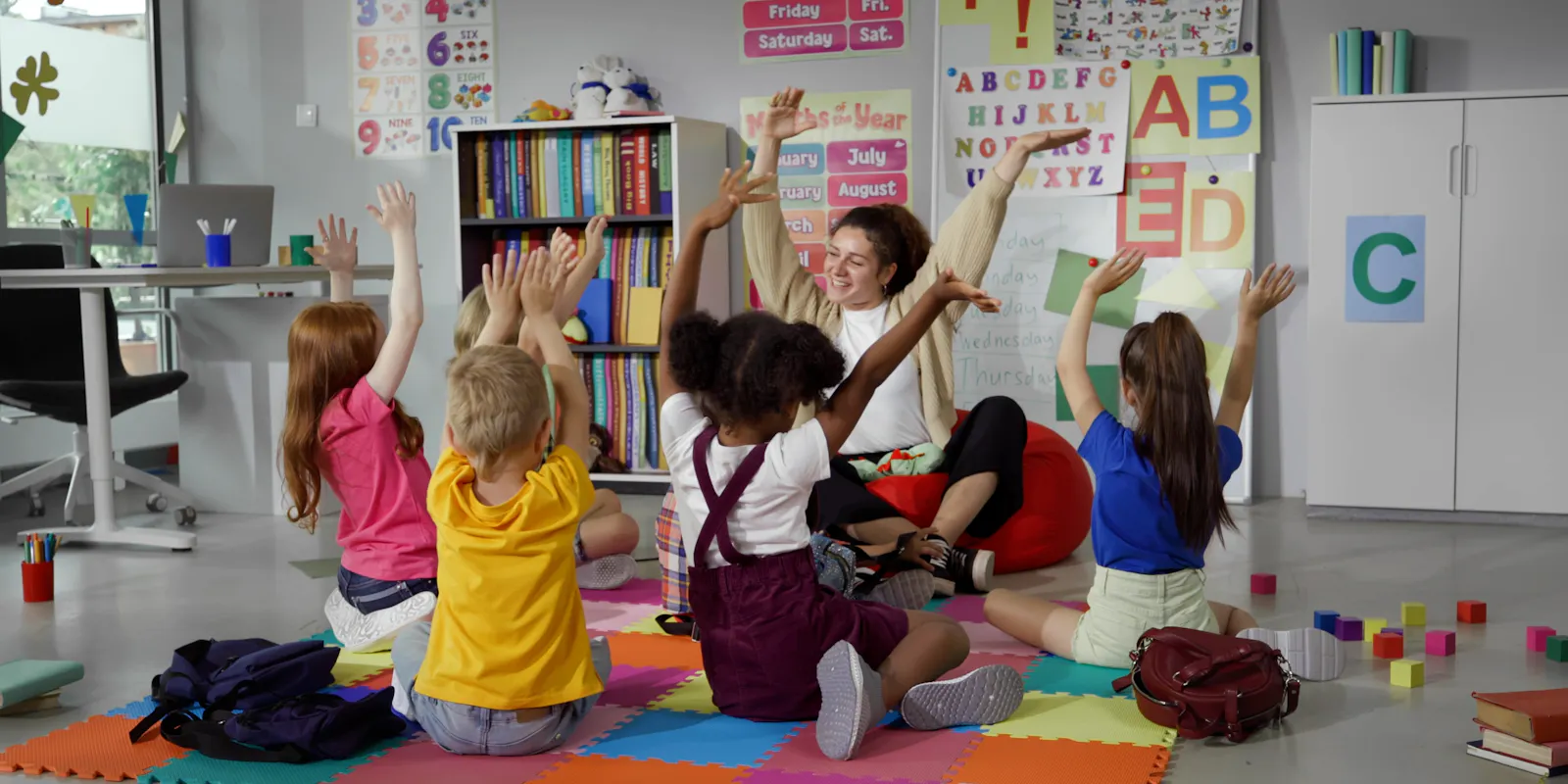
California has reached a historic enrollment milestone in public preschool, with 62 percent of 4-year-olds now enrolled in publicly funded programs. This represents the highest participation rate the state has achieved to date.
The expansion reflects California's sustained commitment to early childhood education through multiple funding streams and policy initiatives. The state has invested in programs like transitional kindergarten, which serves younger children, alongside traditional preschool offerings. Universal pre-K expansion efforts have created more accessible options for families across income levels, reducing barriers that previously kept many children out of early learning settings.
This growth matters for several reasons. Research consistently shows that high-quality preschool improves kindergarten readiness, particularly for disadvantaged students. Early literacy and numeracy skills developed in preschool correlate with later academic achievement. Additionally, increased access to publicly funded programs reduces the financial burden on families, enabling more parents to participate in the workforce.
California's progress aligns with national trends favoring early childhood investment. States including New York and Vermont have pursued universal pre-K models, recognizing that early learning generates both immediate and long-term returns. The American Academy of Pediatrics and the National Association for the Education of Young Children have endorsed early education access as foundational to child development.
Challenges remain for California. The 62 percent enrollment figure means 38 percent of 4-year-olds still lack access to publicly funded preschool. Quality varies across programs, with funding disparities between districts affecting teacher salaries, materials, and classroom sizes. The state faces ongoing questions about whether current funding adequately supports full-day programming and serves the most vulnerable populations.
The enrollment growth demonstrates political will to prioritize early learning. Whether California sustains this trajectory depends on consistent state funding, workforce development for early educators, and efforts to serve remaining unserved populations. The next phase involves measuring outcomes and ensuring quality standards match enrollment