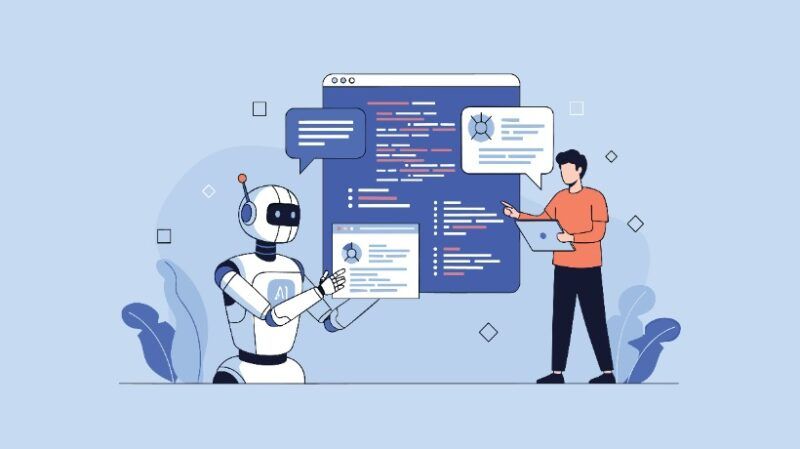
Agentic AI systems are automating core instructional design tasks, compressing development timelines from months to weeks. These AI agents independently handle course structure, content creation, and assessment design without constant human oversight.
The shift centers on four capabilities. First, faster development. AI agents generate learning objectives, organize modules, and draft instructional materials at scale. Designers shift from content creation to quality review and strategic oversight. Second, personalized learning paths. Agentic systems analyze learner behavior in real time, adjusting difficulty, pacing, and content type for individual students. A learner struggling with conceptual material receives worked examples. A fast learner moves to complex applications.
Third, intelligent assessment. AI agents design questions that target specific competencies, adapt difficulty based on performance, and flag misconceptions early. Traditional static tests give way to dynamic assessments that respond to individual learner profiles. Fourth, learning impact measurement. These systems correlate learning activities with performance outcomes, identifying which instructional approaches drive results for which populations.
The practical effect reshapes team workflows. Instructional designers work with AI agents as collaborators, not replacements. A designer inputs learning goals and target audience. The agent generates course drafts, designs branching scenarios, and recommends assessment strategies. The designer refines, validates, and ensures pedagogical soundness.
Organizations adopting agentic AI report faster time to market for training programs and improved retention metrics. Corporate learning departments complete annual curriculum refreshes in half the time. Educational institutions pilot personalized learning at larger scales. The technology reduces repetitive design work, freeing instructional designers for higher-order tasks: analyzing learner needs, designing complex simulations, and ensuring courses reflect current industry standards.
Challenges remain. Agentic systems require robust instructional design principles embedded in their training data. Poor design foundations produce poor courses at scale. Data privacy concerns arise when systems track detailed