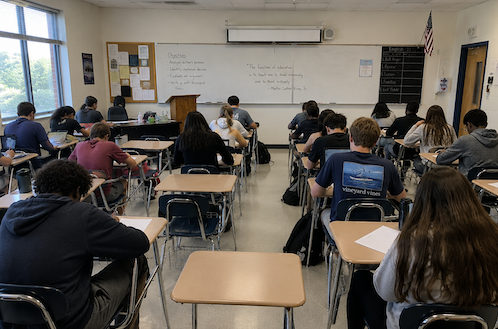
# Summer Break Offers Critical Window to Combat Chronic Absenteeism
Schools face a strategic opportunity during summer break to address chronic absenteeism, a persistent challenge that undermines student achievement and school performance metrics. The period between June and August represents a pivotal moment when educators can reset relationships with chronically absent students and their families before fall enrollment.
Chronic absenteeism affects millions of students nationally. Students missing 10 percent or more of school days fall below this threshold, and research consistently links high absence rates to lower academic outcomes, increased dropout risk, and reduced graduation rates. The problem compounds during summer months when students lose structured school connection and fall further behind academically.
Summer interventions work best when schools maintain intentional contact with families. Districts employing dedicated outreach staff call families, conduct home visits, and invite students to summer programs specifically designed to re-engage chronically absent learners. Schools that treat summer as an extension of their attendance strategy, rather than a break from it, see measurable improvement in fall attendance rates.
Effective summer approaches include culturally responsive engagement that addresses root causes of absenteeism. Transportation barriers, childcare responsibilities, economic hardship, and family instability often drive chronic absence far more than student motivation alone. Summer programs that provide meals, transportation, and community support remove these obstacles while keeping students connected.
Districts implementing continuity of care report stronger outcomes. When the same counselor or family liaison who built relationships during the school year maintains contact through summer, students experience accountability alongside support. This human-centered approach proves more effective than punitive attendance policies.
The work requires sustained investment. Summer programs cost money. Family outreach demands staff time. Yet schools investing in summer engagement see returns in fall attendance, academic gains, and ultimately graduation rates. The quietness of June hallways offers not relief but responsibility. Districts serious about closing achievement gaps cannot afford to let that window close unused