# What Higher Ed Can Do About Getting Research Into the K-12 Classroom
A significant gap exists between education research conducted at universities and the actual practices used in K-12 classrooms. Universities produce substantial research on teaching methods, learning strategies, and student outcomes, yet this work rarely influences day-to-day instruction in schools.
The disconnect stems from structural barriers rather than a lack of quality research. K-12 educators often lack time and access to academic journals. University researchers rarely engage directly with classroom teachers during study design or implementation. Neither sector has built formal pathways for translating findings into usable guidance for schools.
Higher education institutions can bridge this gap through several concrete actions.
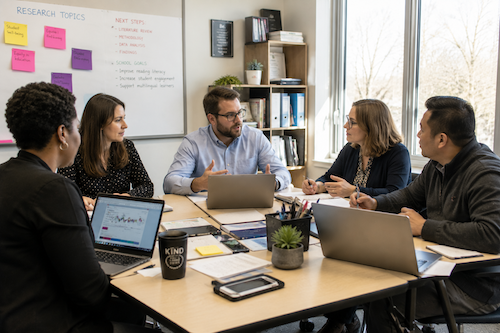
First, universities should establish dedicated partnerships with specific school districts. These collaborations allow researchers to study real classroom conditions while giving teachers input on research questions that matter to their practice. Partners work together from the start, not after studies conclude.
Second, higher ed faculty can train graduate students to communicate research findings in plain language. Current academic writing serves peer reviewers, not practitioners. Teaching researchers to write briefs for educators makes their work accessible.
Third, universities can support K-12 teachers as co-investigators in research projects. When teachers help design studies and collect data, they develop ownership of findings and understand how to apply results in their own schools.
Fourth, institutions should create incentive structures rewarding faculty engagement with K-12. Currently, academic advancement depends on publication in peer-reviewed journals. Universities could value K-12 partnership work equally, encouraging more faculty participation.
Fifth, higher ed can host regular convenings where researchers present findings directly to school leaders and teachers. These sessions allow for questions, discussion of barriers to implementation, and collaborative problem-solving.
The American Educational Research Association and other professional organizations have called for closer university-school collaboration. Some institutions, including university-affiliated research centers, already demonstrate this model successfully.