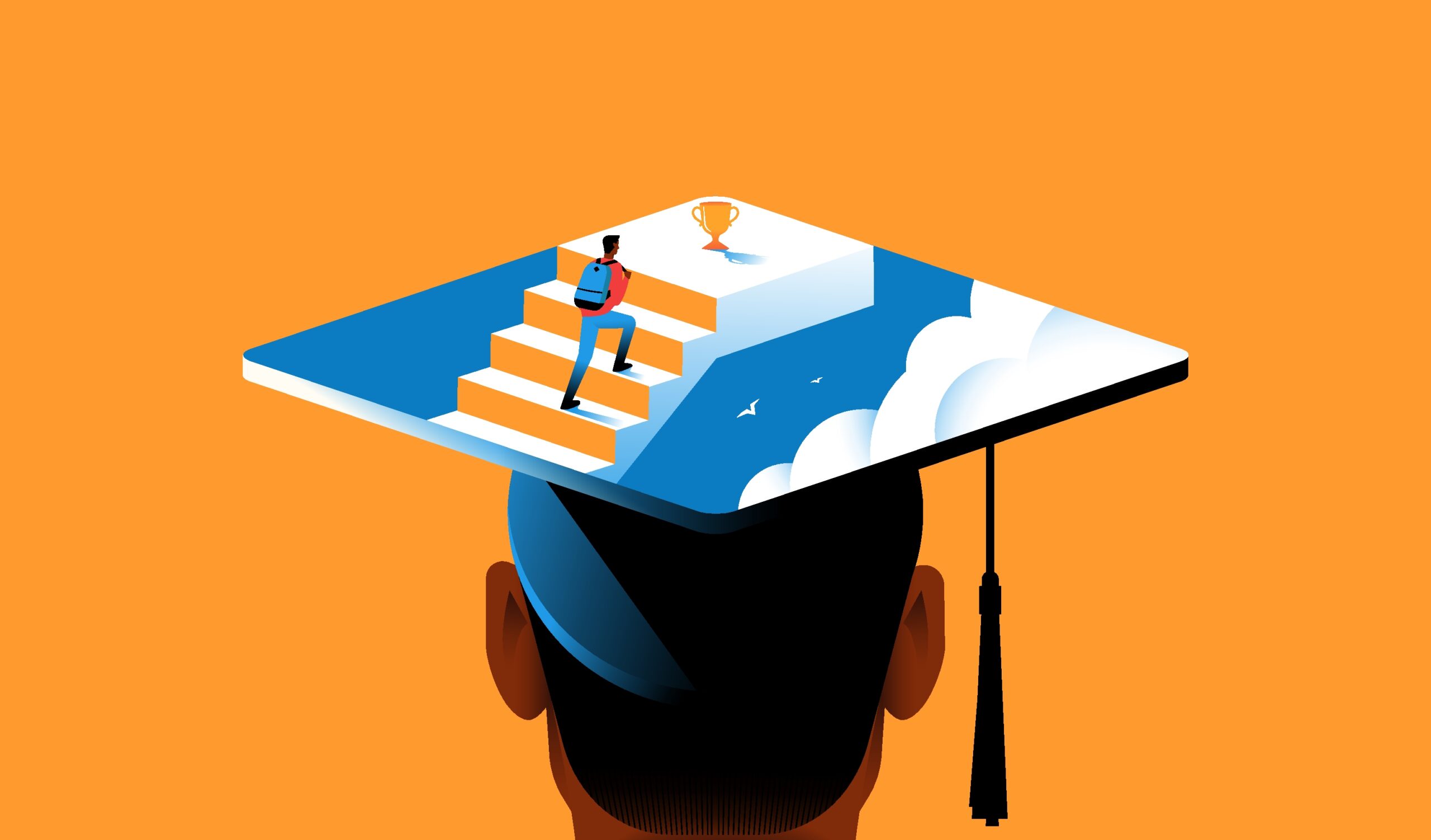
Future-ready skills represent a shift in how educators define student success. These abilities go beyond traditional academics to include communication, collaboration, problem-solving, and emotional regulation. Students who develop these competencies gain tools for workplace readiness and personal resilience that transcend specific subject matter.
The distinction matters. Academic knowledge teaches what to know. Future-ready skills teach how to function in uncertain environments where problems lack textbook answers. A student might excel in calculus but struggle to articulate ideas in a team meeting or adapt when initial solutions fail. Schools increasingly recognize that employers value adaptability, critical thinking, and interpersonal effectiveness as much as technical credentials.
These skills cluster into three categories. Personal abilities include self-awareness, resilience, and initiative. Social skills encompass teamwork, communication, and empathy. Cognitive skills involve creative and critical thinking, information literacy, and learning agility. Together, they form what some education researchers call "21st-century competencies" or "soft skills," though educators note the term "soft" undersells their value.
Developing future-ready skills requires teaching approaches that differ from traditional instruction. Project-based learning, peer collaboration, and real-world problem scenarios engage students in authentic situations where these abilities develop naturally. Teachers serve as facilitators who guide students through mistakes and reflection rather than deliver content from the front of the classroom.
The challenge lies in assessment. Standardized tests measure knowledge acquisition well. Measuring whether a student collaborates effectively or demonstrates emotional maturity proves harder. Schools increasingly use portfolios, peer evaluations, and teacher observations to document growth in these areas, though consistency remains elusive.
Higher education institutions recognize this gap. Many colleges now integrate career readiness programming alongside degree coursework, offering workshops in teamwork, leadership, and professional communication. Employers report that graduates often possess strong technical skills but struggle with workplace interaction and problem-solving under pressure.
For students