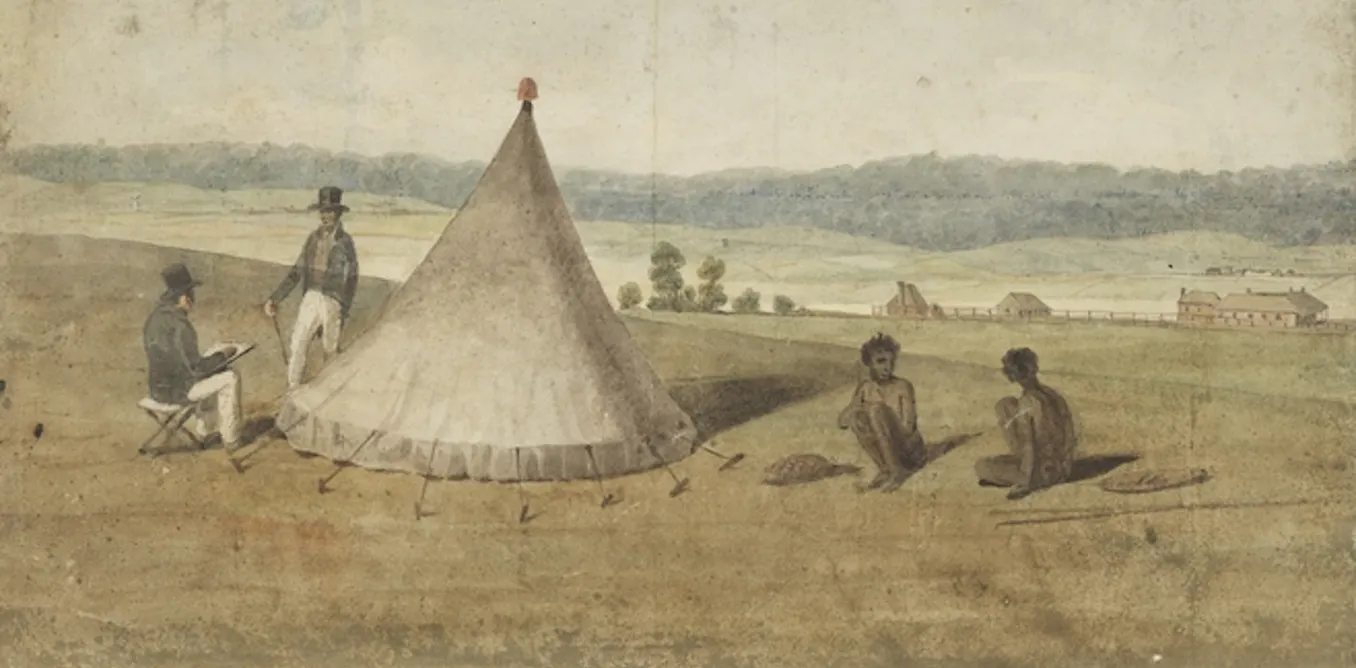
# Aboriginal Responses to Smallpox in 1830s Australia
Aboriginal communities in southeastern Australia deployed three specific disease-control techniques when smallpox arrived in the 1830s, according to new research. The outbreak struck the frontier region with no vaccine available to Indigenous populations and limited access to European medical care.
The three techniques included the use of fish bones, scorching of hair, and other traditional practices rooted in Indigenous medical knowledge. These responses reflected Aboriginal understanding of disease transmission and prevention, developed through generations of managing health challenges in their environment.
The smallpox epidemic arrived amid violent conflict and displacement on the frontier. Aboriginal people faced both the biological threat of the disease and the social upheaval of colonization. Despite these dual crises, communities applied traditional remedies and isolation practices to contain spread within their populations.
Researchers documented that Aboriginal people recognized smallpox as a contagion requiring specific intervention. Their methods operated independently of colonial medical systems that largely excluded Indigenous people from treatment. The fish bones and hair scorching techniques appear connected to traditional practices for drawing out illness or neutralizing harmful influences.
This research challenges the historical narrative that Aboriginal people remained passive in the face of introduced diseases. Instead, evidence shows deliberate, informed responses grounded in existing health systems. Communities adapted their knowledge to address a novel threat, though the epidemic still caused severe mortality.
The 1830s outbreak killed many Aboriginal people and disrupted kinship networks, ceremonial practices, and population stability across southeastern Australia. Limited access to vaccination or European medical intervention meant that traditional responses represented the primary disease management available.
The study contributes to growing historical scholarship recognizing Indigenous agency and knowledge during the colonial period. It reframes Aboriginal people not as victims of inevitable epidemiological collapse but as practitioners actively responding to health crises using available resources and accumulated medical understanding.