# Ebola Strain Detected Outside Africa Triggers International Health Response
Health authorities worldwide are mobilizing after the Bundibugyo strain of Ebola, historically confined to Central Africa, reportedly appeared in another region. The discovery marks a departure from typical Ebola transmission patterns and has prompted epidemiologists to reassess containment protocols.
The Bundibugyo strain emerged from Uganda in 2007 and remained geographically limited until now. Unlike the 2014-2016 West African outbreak that killed over 11,000 people, this strain has lower transmission rates but still poses public health risks. Experts point to several mechanisms for international spread: infected individuals traveling across borders before symptom onset, contaminated biological materials, or, in rare cases, animal-to-human transmission from wildlife.
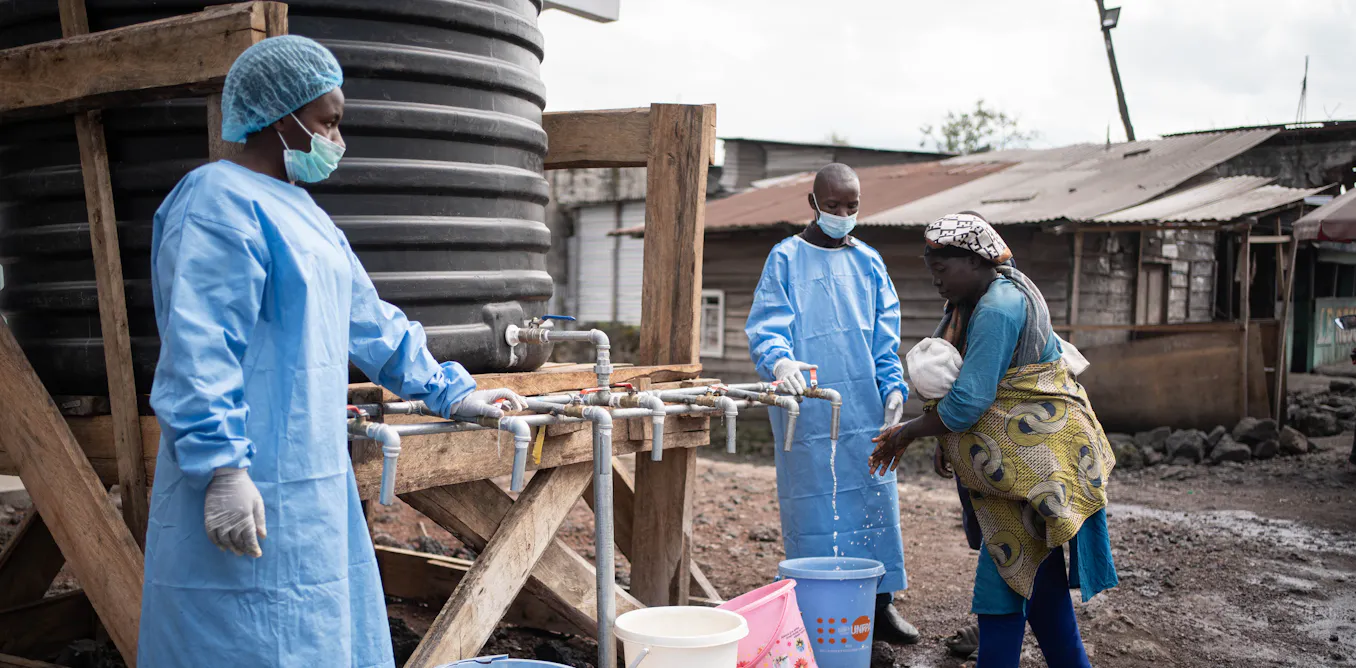
Public health agencies have intensified surveillance at international airports and land borders. The U.S. Centers for Disease Control and Prevention, World Health Organization, and African health ministries have established rapid diagnostic protocols using real-time PCR testing to identify cases quickly. Contact tracing teams stand ready to isolate confirmed cases and monitor exposed individuals during the 21-day incubation period.
Experts stress that early detection significantly improves outcomes. Countries have strengthened laboratory capacity and implemented enhanced screening procedures for travelers originating from affected regions. Healthcare systems are reviewing personal protective equipment stockpiles and staff training protocols.
The incident underscores vulnerabilities in global disease surveillance. Climate change and deforestation increase human-wildlife contact in Ebola reservoir areas, expanding spillover risk. International air travel means cases detected in one country within hours can reach another continent within days.
Vaccination represents a critical tool. The rVSV-ZEBOV vaccine, approved by the FDA and WHO, provides protection against the Zaire strain and partial cross-protection against Bundibugyo. Health authorities are