# North Dakota Brings Virtual Reality Career Exploration to K-12 Students
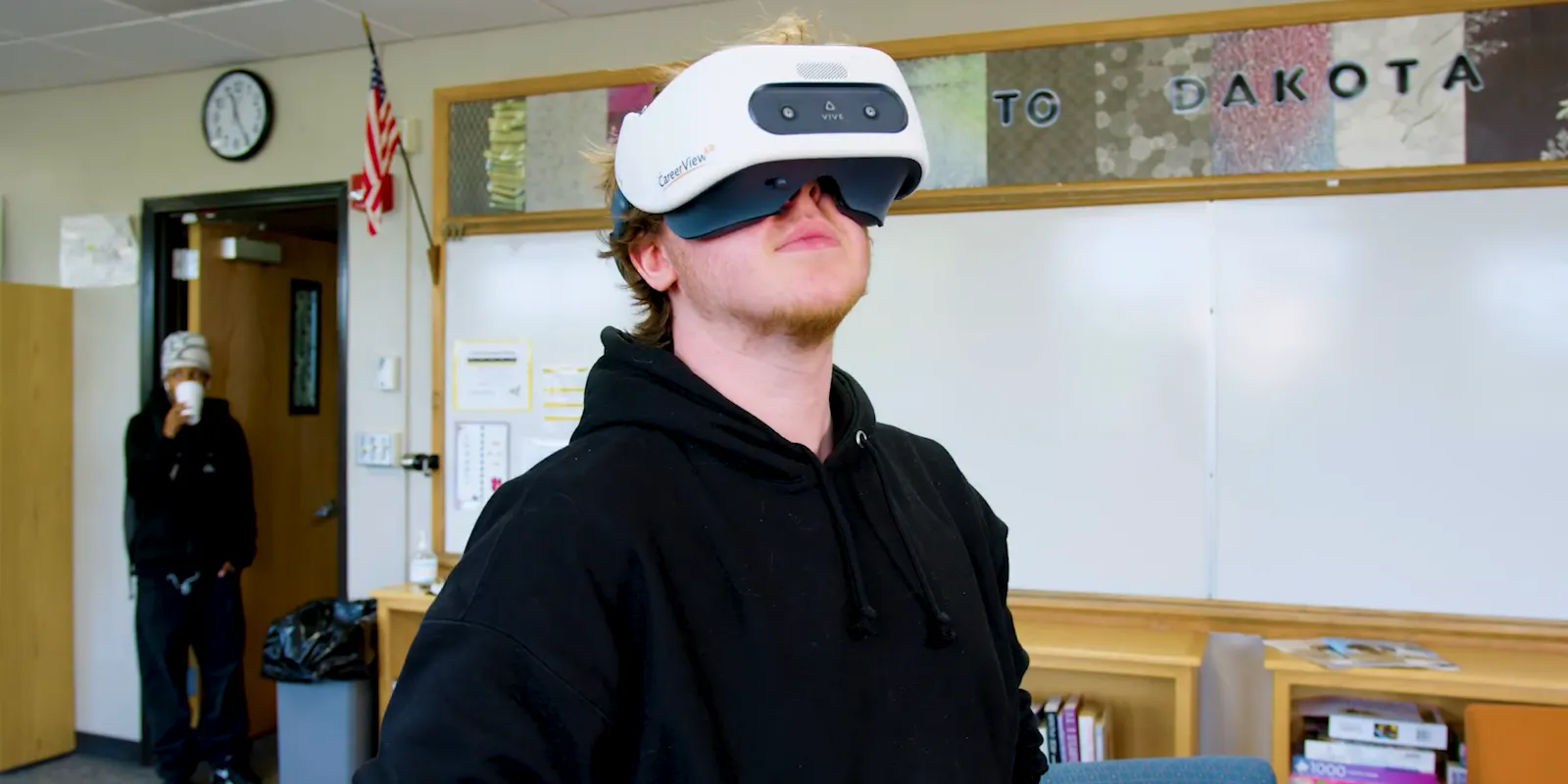
North Dakota schools are deploying virtual reality technology to let students experience careers before graduation. The program places students in immersive environments including wind turbines, emergency rooms, and mechanic shops.
The initiative addresses a workforce shortage. North Dakota faces gaps in skilled trades and healthcare workers. Rural districts particularly struggle to connect students with hands-on career pathways. VR eliminates geographic barriers. A student in a remote farming community can now shadow an ER doctor or inspect a wind turbine's interior without leaving school.
The state has invested in VR equipment across multiple districts. Students use headsets to explore real-world job sites with fidelity that classroom videos cannot match. They perform actual work tasks, gaining tactile understanding of what careers demand. A student considering nursing sees the pace of emergency medicine. Another evaluates whether maintenance work matches their interests before committing to technical training.
This matters for retention and recruitment. Early exposure helps students make informed career choices. It reduces enrollment in programs students abandon after discovering mismatched expectations. For employers, it creates pipelines of students genuinely interested in available jobs. Wind energy companies, healthcare systems, and trades businesses partnered to develop the VR experiences.
The program also addresses equity. Rural and underrepresented students often lack access to career mentors and internships. VR democratizes exposure. A low-income student can explore high-wage skilled trades options that wealthier peers might access through family connections.
North Dakota's approach aligns with national trends. Career academies and work-based learning programs have shown measurable returns on earnings and employment rates. Adding VR accelerates discovery and engagement. Students who've tried careers virtually show higher persistence in related coursework and certifications.
The state continues expanding the platform. More career pathways are in development, including agriculture technology and advanced manufacturing.