# Sudan's Humanitarian Crisis Fades From Global View as Aid Dries Up
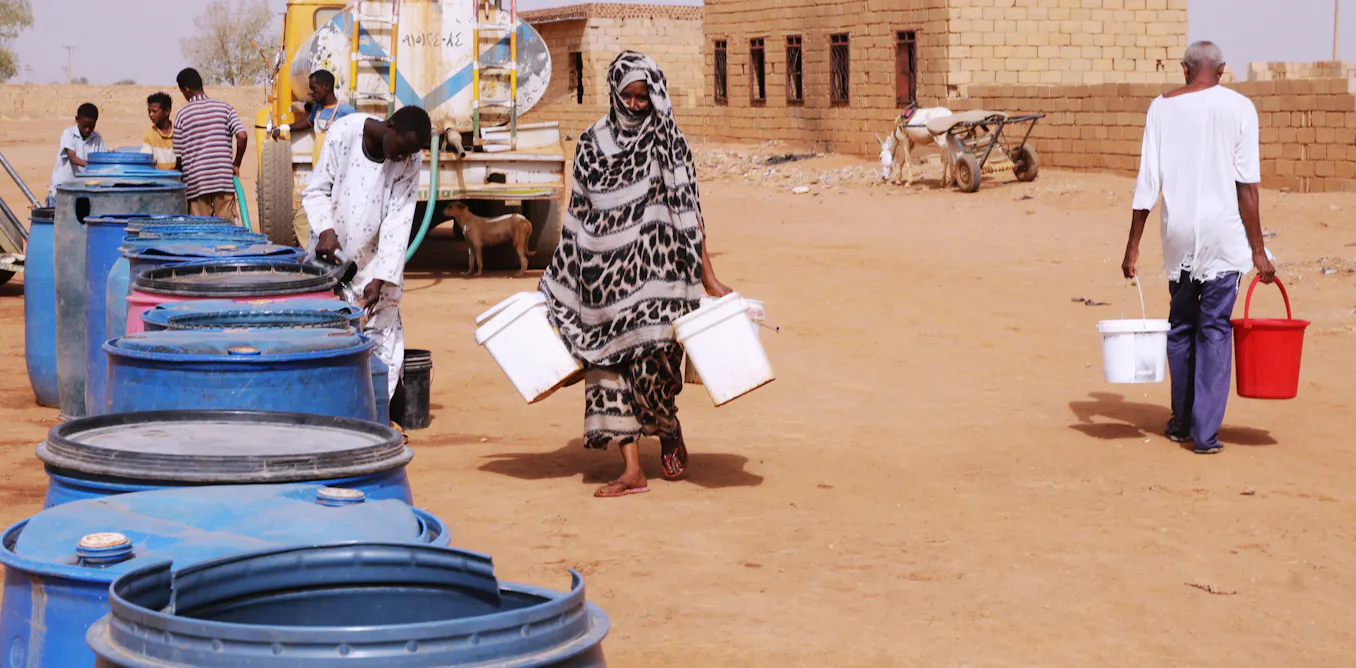
Sudan faces one of the world's most severe humanitarian emergencies, yet it receives a fraction of the international funding and attention given to other global crises. Local responders working in Sudan describe feeling abandoned as the world's gaze shifts elsewhere.
The country ranks among the most dangerous places to deliver humanitarian assistance. Aid workers face constant threats, restricted access to affected populations, and severe logistical challenges. Despite these obstacles, organizations operating on the ground report chronic underfunding that forces them to ration basic services and abandon planned interventions.
The disparity in global attention matters directly to students and educators interested in humanitarian work, international relations, and global health. Educational institutions increasingly teach about crisis response and international development, yet Sudan's invisibility in mainstream media and donor priorities reveals gaps between classroom discussions of global equity and on-the-ground realities.
Local responders report that funding arrives sporadically and often falls short of operational needs. This underfunding forces difficult choices: which regions receive medical supplies, which schools get support, which displaced populations receive food assistance. Humanitarian organizations operating in Sudan note that donor fatigue, competing crises in Ukraine and Gaza, and limited media coverage have redirected resources and attention away from Sudan's deteriorating situation.
The crisis reflects broader patterns in international humanitarian response. Funding typically follows media attention and geopolitical interests rather than need alone. Sudan, while experiencing widespread displacement, food insecurity, and violence, lacks the geopolitical leverage or sustained media narrative that drives donor prioritization.
Local health workers, educators, and aid coordinators continue operating under severe constraints. Their work sustains populations facing hunger, disease, and displacement, yet remains largely invisible to global audiences and funding institutions. The gap between Sudan's humanitarian needs and its financial support represents a failure in the international system's commitment to protecting vulnerable populations.