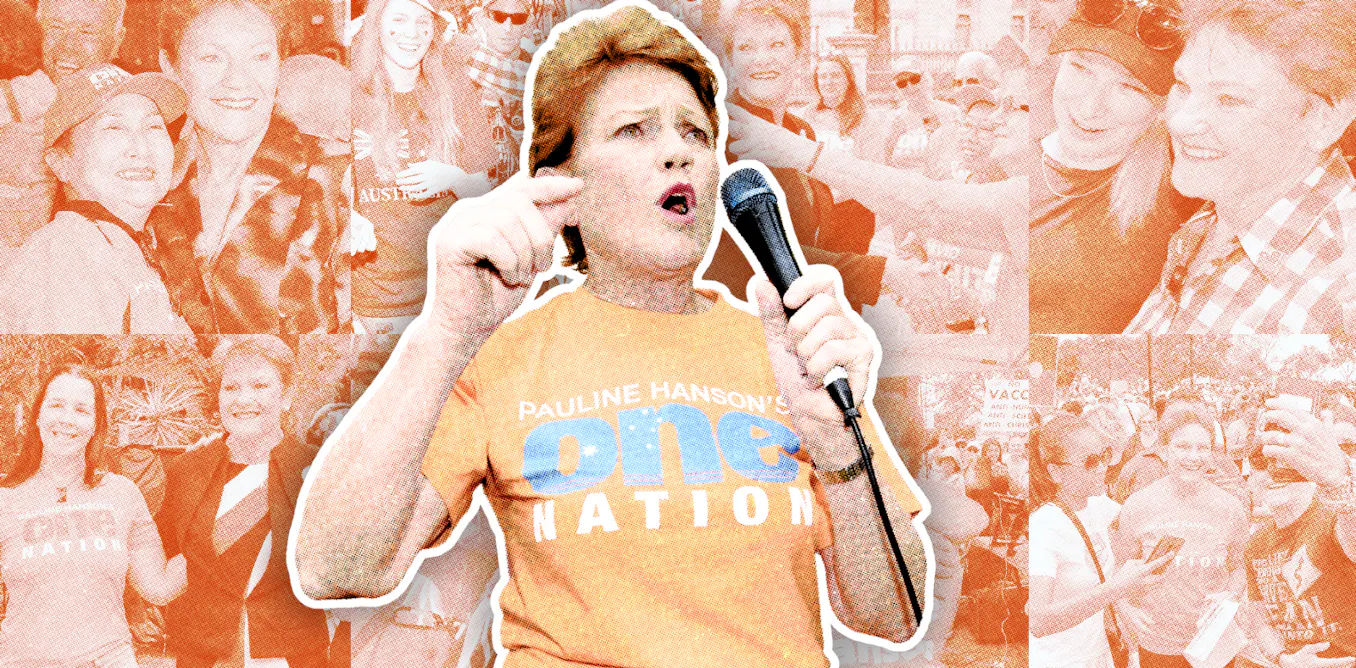
# Far-Right Political Leaders Are Gaining Ground Among Women Voters Globally
Pauline Hanson, leader of Australia's One Nation party, exemplifies a growing international trend: women are increasingly drawn to far-right political movements. Recent polling shows Hanson gaining support, positioning her as part of a broader global shift in how women engage with right-wing populism.
This trend extends beyond Australia. Women now lead or hold prominent positions within far-right parties across Europe, North America, and other regions. Figures like Marine Le Pen in France and others have successfully mobilized female voters by reshaping messaging around immigration, national identity, and economic anxiety.
The appeal operates differently than traditional right-wing messaging. Far-right parties increasingly frame their policies through gender-specific concerns: workplace competition, cultural change, and family values. Women voters report responding to narratives about national economic protection and preservation of traditional institutions, rather than solely to anti-immigration rhetoric alone.
Researchers tracking this shift note that women participants in far-right movements often cite economic insecurity and cultural displacement as primary drivers. The campaigns deliberately target women's concerns about job markets, wage stagnation, and rapid social transformation.
Australia's context matters here. Hanson has built support by focusing on perceived threats to Australian workers and communities. Her party's messaging resonates with voters anxious about globalization and demographic change. The polling bounce reflects broader disenchantment with mainstream parties on both left and right.
This pattern raises questions for political analysts globally. Traditional assumptions that women voters lean toward progressive causes no longer hold universally. Far-right movements have successfully adapted their rhetoric to appeal across gender lines, moving beyond stereotypical messaging to address concrete economic grievances.
The trend appears durable. As economic uncertainty persists in developed nations and immigration remains contested, far-right parties continue refining strategies to appeal to female voters. Hanson's