# Ebola Prevention Plans Fall Short on Geographic Barriers
Public health officials in the United States and Uganda are relying on geographic isolation to contain potential Ebola outbreaks, a strategy that experts say offers limited protection once transmission begins. The approach assumes that distance between affected regions and population centers can slow or stop viral spread, but disease surveillance data contradicts this assumption.
Ebola moves faster than traditional containment models predict. Once an outbreak reaches a certain scale, geographic boundaries lose their containing power. Modern travel networks, porous borders, and population movement across regions mean the virus can reach new areas before detection occurs.
Uganda faces particular vulnerability. The country has experienced multiple Ebola outbreaks, most recently in 2022, and has developed response protocols focused on early detection and isolation. However, relying solely on geography ignores the interconnected nature of East African trade routes and refugee movements that cross national boundaries regularly.
The U.S. approach emphasizes surveillance at international airports and borders, but this catches cases only after individuals have left affected areas. A traveler can depart Uganda without symptoms, reach the United States within hours, and show signs days later. The window between departure and diagnosis creates risk that no geographic barrier closes.
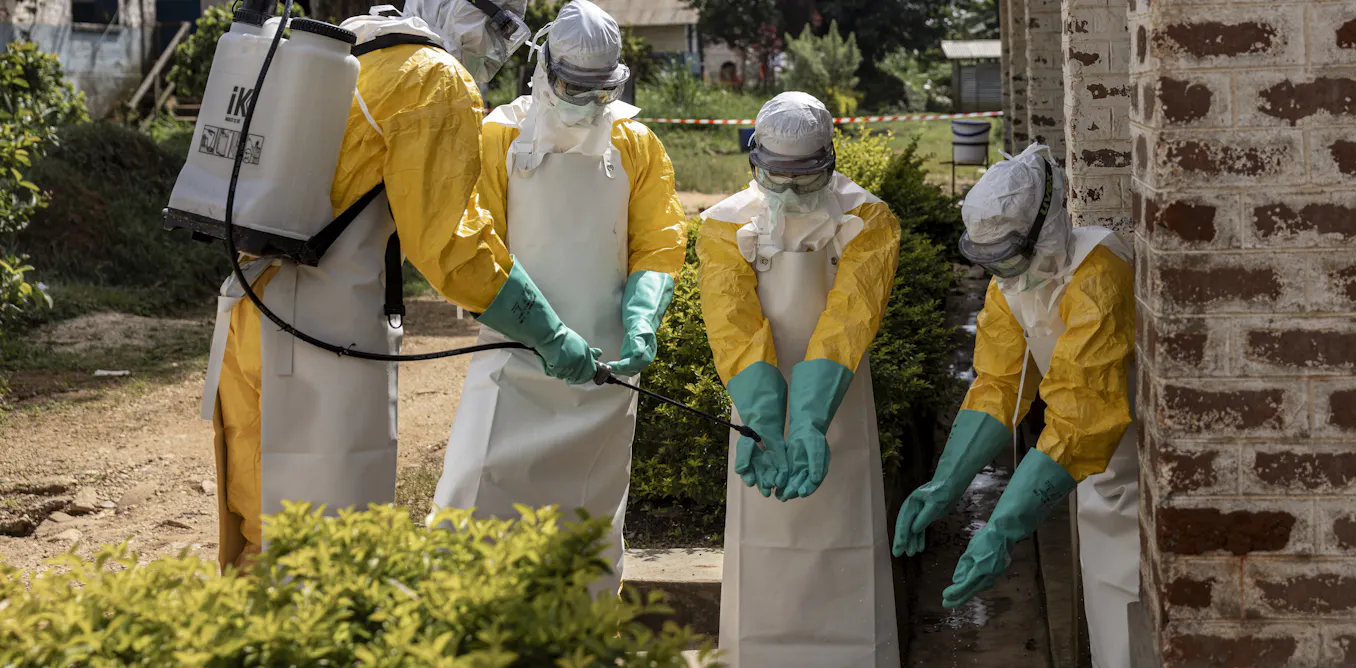
Effective prevention requires integrated strategies. Contact tracing must work faster than viral transmission. Healthcare workers need proper training and protective equipment before outbreaks occur, not during response. Community trust in health systems determines whether people report symptoms or hide them.
Uganda's health ministry has invested in rapid response teams and laboratory capacity, improvements that address the core problem. Yet without corresponding investments in neighboring countries and across flight routes, these efforts remain incomplete.
Geography alone cannot stop Ebola. The virus respects no borders. Real containment demands real-time surveillance, transparent communication across nations, and resources deployed before the next case appears, not after.