# William Adams and the Lost Solar Dream of Colonial India
William Adams, a 19th-century bureaucrat in Bombay, developed an early solar energy system decades before the technology became mainstream. His work remained obscure until recently, overshadowed by better-known Western inventors and colonial indifference to his ideas.
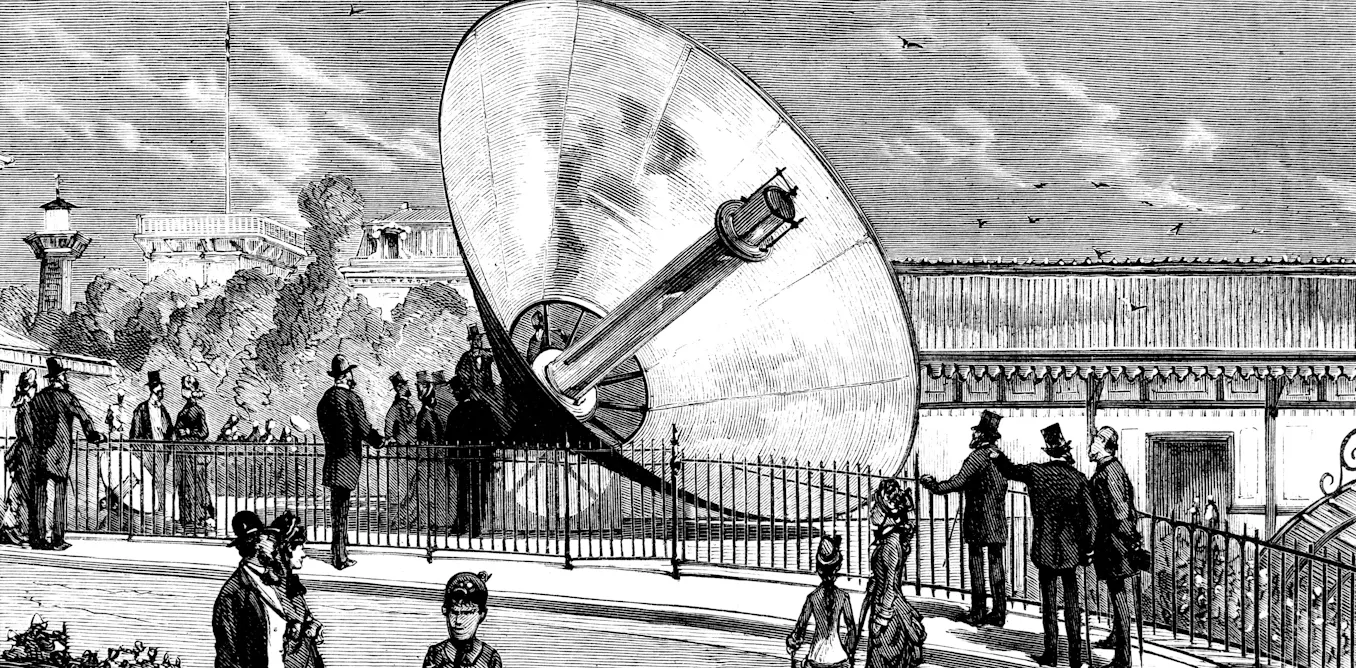
Adams designed a solar engine that could harness sunlight to produce mechanical power. Working in India's climate, he possessed an advantage many European inventors lacked: abundant, consistent solar radiation. His designs showed genuine promise, yet funding and institutional support never materialized.
Colonial-era scientific and administrative structures prioritized technologies aligned with British industrial interests, particularly coal and steam power. Solar energy offered no advantage to extractive colonial economics. Adams lacked the patronage networks and publishing platforms that promoted Western scientists. His work appeared in regional publications with limited circulation beyond India.
The historical record captures other solar pioneers from the same period, particularly Western figures like Augustin-Mouchot in France and John Ericsson in Sweden, whose contributions received documentation and recognition. Adams remains largely unknown outside specialized academic circles.
His story illustrates how access to resources, institutional backing, and geographic location shaped scientific progress during the industrial era. Promising innovations could languish without support from power structures that controlled research funding and scientific publication.
Today, as solar technology drives global energy transitions, Adams' early experiments represent a historical road not taken. His work demonstrates that non-Western inventors generated sophisticated technical knowledge during colonialism, work that colonial hierarchies systematically marginalized.
Understanding Adams reveals gaps in how history records scientific achievement. The dominance of Western names in solar energy's origin story reflects not innovation gaps but rather documentation and institutional power. His legacy matters now as researchers acknowledge that useful ideas emerge from many places, and recognition patterns reveal as much about power structures as about invention itself.