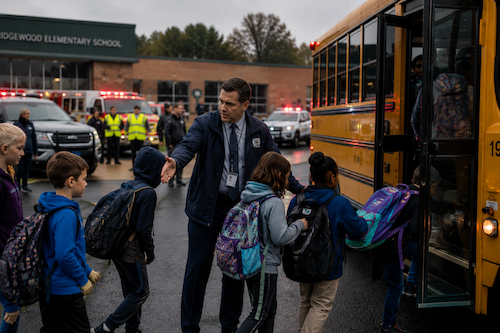
# How Comprehensive School Safety Planning Protected Our Teachers and Students
Comprehensive school safety planning often gets dismissed as bureaucratic checklist work. In practice, it saves lives and creates measurable protection for students and staff.
Schools that implement structured safety frameworks do more than check boxes. They establish clear protocols for threat assessment, emergency response, and threat communication. These plans cover physical security upgrades, staff training on recognizing warning signs, and coordinated drills that test whether systems actually work under pressure.
Districts adopting comprehensive approaches report faster response times during incidents. Staff know their roles. Students understand evacuation routes. Administrators can identify students in crisis before situations escalate. Regular drills normalize emergency procedures so people act instinctively rather than panic during actual events.
Effective plans address multiple threat types: active threats, medical emergencies, natural disasters, and mental health crises. Schools that bundle these components together create redundancy. If one system fails, others catch the gap.
The strongest programs involve parents, law enforcement, and mental health professionals from the start. This collaboration surfaces blind spots. Police can identify building vulnerabilities. Counselors can flag at-risk students. Parents understand what schools are actually doing to protect their children, not assumptions.
Data from schools using comprehensive safety frameworks shows they report higher staff confidence in emergency readiness and reduced discipline incidents tied to violence or threats. Staff feel supported rather than left to improvise.
Implementation requires sustained funding and training. One-time drills accomplish little. Schools need annual refresher training, updated protocols based on lessons learned, and staff turnover plans so new hires know procedures.
The distinction between theoretical compliance and effective safety lies in execution. Schools treating safety planning as ongoing operational work, not an annual compliance task, embed safety culture into daily operations. Teachers and administrators internalize these practices. Students see adults who know what to do.
Comprehensive safety planning translates from policy