# The Privileged Origins of Modern Soccer
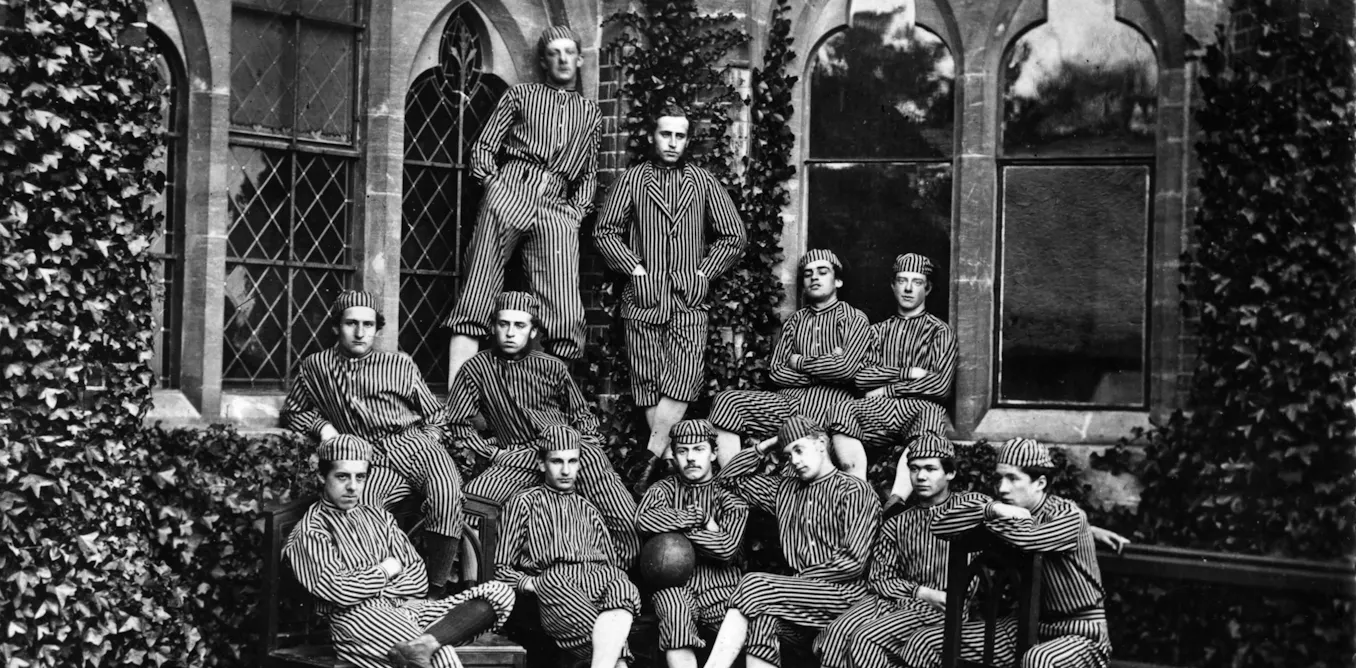
Soccer emerged not from working-class streets but from the manicured grounds of elite English boarding schools during the 1800s. A new book examining the sport's history traces how association football evolved from the exclusive preserve of wealthy students into the world's most popular game.
In 19th-century England, boarding schools like Eton and Harrow developed organized football codes as part of their curriculum. These institutions standardized rules and created structured competitions among their students, transforming a chaotic folk game into a codified sport. The wealthy families who could afford boarding school tuition controlled how the game developed in its critical formative years.
The standardization proved decisive. The Football Association, founded in 1863, drew heavily from the boarding school model when it established the first unified rules of association football. This professionalization happened on the schools' terms, embedding their values into the sport's DNA.
What made soccer's transformation from elite pastime to global phenomenon remains striking. Working-class communities eventually adopted the sport, particularly in industrial cities where factories provided both players and spectators. The organized structure created at boarding schools provided the framework that lower-income players could embrace and build upon.
Today's multi-billion-dollar soccer industry bears little resemblance to its origins in Victorian dormitories. Yet the organizational principles established by 19th-century schoolmasters remain embedded in how the modern game functions. The sport's journey from exclusive boarding school activity to universal pastime illustrates how institutions shape cultural practices in ways that persist for generations.
The book's exploration offers educators and historians perspective on how institutional practices travel across social classes and time periods. Understanding soccer's boarding school roots provides context for how elite institutions historically shaped mass culture.