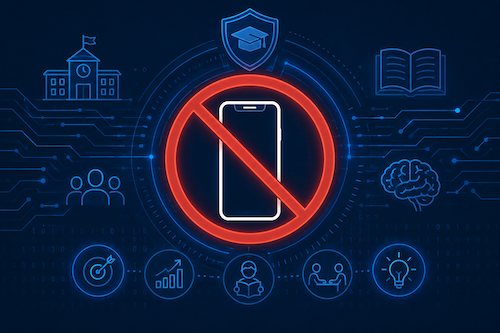
Schools nationwide are moving past blanket cell phone bans toward more nuanced policies that restrict device use during instruction while maintaining access for learning and emergencies.
The debate over classroom phones has intensified as districts grapple with competing priorities. Complete bans remove distractions but eliminate tools for educational purposes and emergency communication. Educators, parents, and policymakers now recognize that one-size-fits-all approaches fail to address the complexity of device use in modern schools.
Schools implementing smarter solutions create systems that allow controlled access. Some districts use designated phone storage during core instruction, then permit devices for specific academic tasks. Others establish time-based restrictions, prohibiting phones during certain periods while allowing them during lunch or study halls. A few schools deploy technology solutions like signal blockers or app-based tools that limit functionality during instructional hours without confiscating devices entirely.
The stakes extend beyond distraction management. Students need phones for emergency contact with parents. Schools increasingly rely on mobile devices for digital literacy instruction and accessibility accommodations. Students with hearing or vision impairments often depend on phones as assistive technology. Families in lower-income areas may lack home computers, making phones their primary internet access.
Research on phone bans shows mixed results. Studies indicate that removing devices improves focus and test scores in some contexts, but effects vary by grade level and implementation. The American Psychological Association and other researchers caution that confiscation policies can harm student well-being and create equity gaps.
Districts finding success balance restriction with purpose. They establish clear expectations about when and how students use phones, teach digital citizenship alongside restrictions, and train teachers in consistent enforcement. Schools communicate policies transparently with families and solicit feedback from students.
The conversation has shifted from whether phones belong in schools to how schools can harness their benefits while minimizing harm. Effective policies treat phones as tools requiring management rather than contraband requiring elimination. This approach acknowled