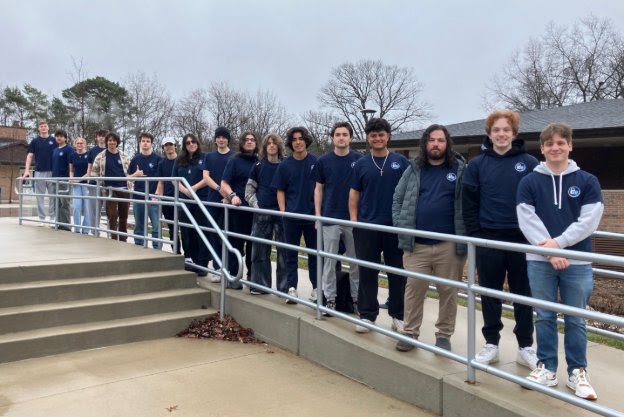
Northwood University has earned National Security Agency cyber excellence accreditation, recognizing the quality of its cybersecurity program. The designation validates the institution's approach to training students in digital defense and threat mitigation.
The NSA's accreditation process evaluates universities on curriculum rigor, faculty expertise, laboratory facilities, and alignment with national cybersecurity workforce priorities. Schools that earn this status meet stringent federal standards for preparing students to fill critical roles in government and private sector security operations.
Northwood University's achievement comes as demand for cybersecurity professionals accelerates across industries. The U.S. Bureau of Labor Statistics projects cybersecurity analyst positions will grow 33 percent through 2032, significantly outpacing overall job growth. Federal agencies and private companies compete intensely for talent, creating urgent pressure on universities to deliver workforce-ready graduates.
The accreditation signals to employers and prospective students that Northwood's program meets rigorous standards. Students completing NSA-accredited programs gain credentials that enhance job placement prospects and starting salaries. Many employers prioritize hiring graduates from recognized programs, viewing the accreditation as a quality assurance mechanism.
University leaders framed the accreditation as validation of their investment in cybersecurity education infrastructure and faculty recruitment. Programs seeking NSA recognition typically demonstrate hands-on learning through labs, capture-the-flag competitions, and real-world incident response simulations. Faculty members often hold industry certifications and active security clearances.
The accreditation also strengthens Northwood's competitive positioning in higher education. Universities with NSA designations attract more cybersecurity-focused students and research funding. They build partnerships with federal agencies, defense contractors, and technology companies seeking early access to talent pipelines.
For students, the accreditation reduces uncertainty about program quality. Rather than relying solely on institutional reputation or rankings, students can reference federal recognition when comparing