# Schools Face New Digital Accessibility Requirements Under Updated ADA Rules
The Americans with Disabilities Act has updated its requirements, and schools must act fast to ensure their digital platforms meet federal accessibility standards. The deadline is approaching, and districts that fail to comply risk legal action and exclusion of students and families with disabilities from key services.
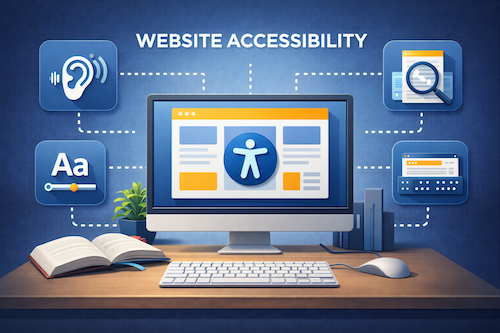
The updated ADA rules require schools to make websites, learning management systems, document libraries, and other digital tools accessible to people with disabilities. This includes providing captions for videos, alt text for images, keyboard navigation options, and screen reader compatibility. Schools must audit their existing digital infrastructure and remediate gaps.
Districts operating without accessible digital platforms effectively lock out students who are deaf, blind, low-vision, or have motor disabilities. Parents unable to access school websites cannot register children for programs, view grades, or communicate with teachers. This creates a two-tiered education system that violates federal law.
Compliance requires both technical work and institutional change. Schools need to conduct digital audits, train staff on accessibility standards, update policies, and implement ongoing monitoring. Many districts lack in-house expertise and turn to external consultants and vendors who specialize in ADA compliance.
The cost of waiting compounds. Schools that address accessibility now invest in sustainable systems. Districts that delay face expensive remediation, legal settlements, and damage to community trust. Several states have already settled ADA lawsuits brought by disability advocacy groups against school systems with inaccessible online platforms.
Technology vendors selling to schools now face pressure to build accessibility into products from the start rather than patching it later. Some districts have begun requiring accessibility certifications before purchasing new educational software.
Schools should start with a comprehensive digital audit, prioritize the most-used platforms first, and allocate budget for remediation. Staff training on accessibility standards prevents future compliance failures. Districts treating accessibility as an ongoing practice rather than a one-time checkbox position themselves ahead of