# Finding the "Low Way": Reclaiming Creativity in Schools
A parent's simple question from their young daughter—"Are we going to take the low way?"—has become a metaphor for an urgent educational shift. Schools nationwide are wrestling with how to preserve creative thinking and student agency while managing accountability pressures and standardized assessment demands.
The "low way" concept reflects a broader concern among educators and researchers. High-stakes testing regimes have narrowed curriculum focus, leaving less room for open-ended exploration, revision cycles, and discovery-based learning. Students learn to optimize for test performance rather than develop the iterative thinking that fuels genuine creativity.
This tension plays out daily in classrooms. Teachers face competing demands: cover material for standardized tests while also nurturing curiosity and problem-solving skills employers say they desperately need. Many schools have inadvertently created environments where the fastest route to measurable outcomes becomes the only acceptable path.
Reclaiming space for creativity does not mean abandoning assessment. Rather, educators argue for balance. Schools can maintain accountability while building in structured time for projects without single "correct" answers, peer feedback loops, revision opportunities, and exploration of ideas that may not appear on state exams.
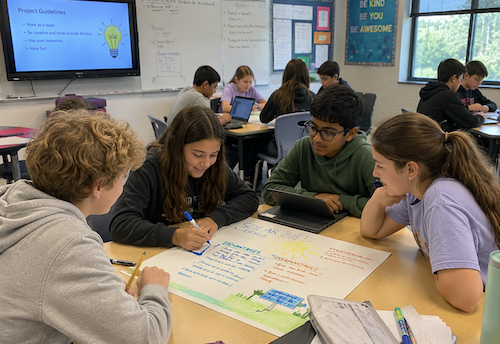
Some districts have experimented with "creative blocks" in the school day, project-based learning units that cut across subjects, and portfolios that capture student growth over time. These approaches take the "low way"—the longer, more winding route through learning that allows students to stumble, backtrack, and discover their own insights.
The stakes matter beyond test scores. Students who engage in genuine creative work develop resilience, learn to tolerate ambiguity, and build confidence in their own thinking. These habits transfer to college coursework, workplace challenges, and personal problem-solving.
Districts considering this shift need clear messaging to parents and community members about why creativity matters academically