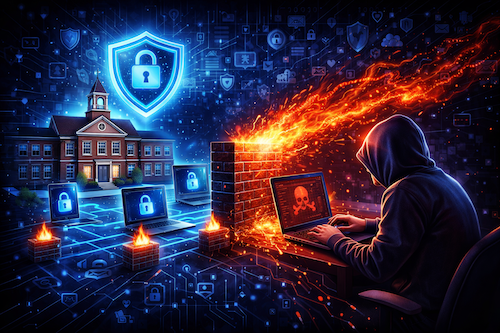
U.S. K-12 schools face mounting pressure to build digital resilience as cyber incidents become routine rather than hypothetical threats. District leaders now operate under the assumption that breaches will occur, not whether they will happen, forcing schools to shift focus from prevention alone to recovery and continuity.
Schools depend on digital infrastructure for instruction, student data management, enrollment systems, and communications with families. A single ransomware attack or data breach disrupts operations across all these functions simultaneously. The 2024-2025 school year brought multiple high-profile incidents affecting districts nationwide, exposing vulnerabilities in aging systems, inadequate staffing, and insufficient funding for cybersecurity.
Digital resilience goes beyond firewalls and antivirus software. It requires schools to develop backup systems, test disaster recovery procedures, train staff on security protocols, and maintain offline access to critical data. Districts need documented procedures for operating without network access, clear communication chains during outages, and regular tabletop exercises to prepare for real incidents.
Budget constraints complicate this work. Many districts lack dedicated cybersecurity staff and must split IT responsibilities across limited teams. Schools serving low-income communities often operate with older technology and minimal security infrastructure, creating disproportionate risk.
Federal guidance from the Cybersecurity and Infrastructure Security Agency (CISA) emphasizes that districts should treat cyber incidents as operational planning problems, not just IT concerns. This means involving superintendent offices, legal teams, and communication departments in resilience strategies.
Parents and students face real consequences from poor resilience planning. Extended network outages delay transcript processing, disrupt special education services, and prevent teachers from accessing lesson materials. Data breaches expose students' personal information to identity theft and compromise educational records.
Schools that invest in resilience now see faster recovery times and reduced damage when incidents occur. This includes maintaining paper-based backup systems for grade books and attendance, keeping critical servers