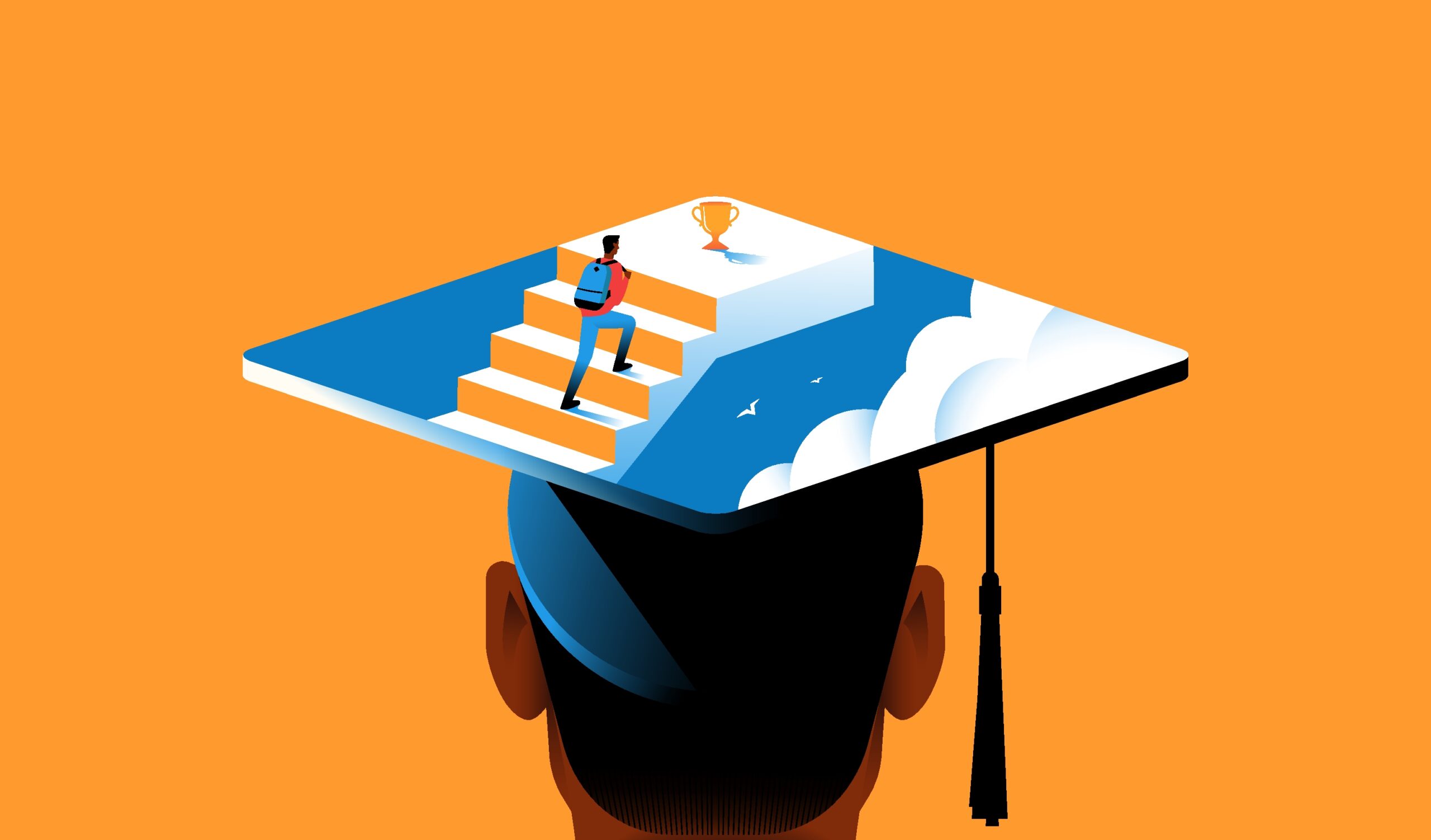
Schools and education experts increasingly define "future-ready skills" as personal, social, and cognitive abilities that extend beyond traditional academic knowledge. These skills include communication, collaboration, problem-solving, and emotional management. They prepare students to interact effectively with others and handle real-world situations throughout their lives.
The concept moves beyond teaching facts and technical knowledge. Instead, educators focus on building competencies that help students become independent and responsible. Communication skills enable students to express ideas clearly and listen actively. Collaboration teaches them to work effectively in teams. Problem-solving develops their ability to think critically and adapt to new challenges. Emotional management helps them navigate stress and understand their own feelings and those of others.
These skills matter across all educational levels and career paths. Employers consistently report that graduates lack proficiency in areas like teamwork, written communication, and adaptability. Universities and K-12 schools now integrate future-ready skills into their curricula, though approaches vary widely.
Teaching these competencies requires different instructional strategies than traditional lecturing. Project-based learning, peer collaboration, and real-world problem scenarios help students practice these abilities in context. Teachers must also model these skills themselves and create classroom environments where students feel safe taking risks and learning from mistakes.
The push toward future-ready skills reflects broader changes in the job market. Automation and artificial intelligence are replacing routine technical work, making human-centered abilities more valuable. Employers need workers who can think flexibly, work across disciplines, and continuously learn new skills.
Schools face the challenge of measuring and assessing these competencies. Standardized tests capture academic knowledge but struggle to evaluate collaboration or emotional intelligence. Districts increasingly use portfolios, peer evaluations, and teacher observations to track progress.
Preparing students for lifelong success requires balanced curricula that strengthen both subject knowledge and transferable skills. Faculty Focus, which published this piece, serves higher education faculty developing teaching strategies around these competencies