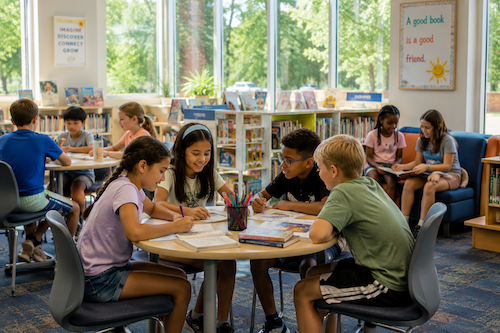
Summer learning loss disproportionately affects low-income students, widening achievement gaps before the school year even begins. Research spanning 35 years shows that students from disadvantaged backgrounds lose an average of two to three months of reading gains over the summer months, while their wealthier peers often gain ground through camps, tutoring, and enrichment activities.
Schools and districts increasingly treat summer not as downtime but as a strategic intervention window. Districts like Pittsburgh Public Schools and Boston Public Schools now offer free summer programming that combines literacy instruction with enrichment activities like arts, sports, and technology. These programs directly target students most vulnerable to summer setback.
The literacy research is clear. Students who participate in structured summer reading programs show measurable gains in comprehension and vocabulary retention. Programs that combine teacher-led instruction with family engagement components perform strongest. When parents receive guidance on supporting reading at home, student outcomes improve significantly.
Effective summer strategies extend beyond traditional classroom instruction. Community partnerships matter. Libraries, parks departments, nonprofit organizations, and local businesses can amplify reach. Rochester City School District partners with Boys and Girls Clubs to embed literacy into recreational settings, making learning feel less formal and more accessible.
Access remains the core challenge. Transportation, meals, and childcare costs keep many families from enrolling children in paid programs. Districts addressing these barriers through busing, free meals, and reduced fees see higher enrollment among target populations.
The pandemic intensified focus on summer intervention. Learning loss became impossible to ignore. Many districts that launched emergency summer programs in 2020 continued them because data showed results. Students attending these programs close 20 to 30 percent of their spring learning losses by fall.
Timing and duration matter too. Programs starting in early June and running six to eight weeks produce better outcomes than shorter interventions. Consistency in staffing and curriculum across multiple weeks allows teachers to build relationships and track student progress effectively.