# Indigenous Communities Face Diphtheria Outbreak Linked to Housing Inequality
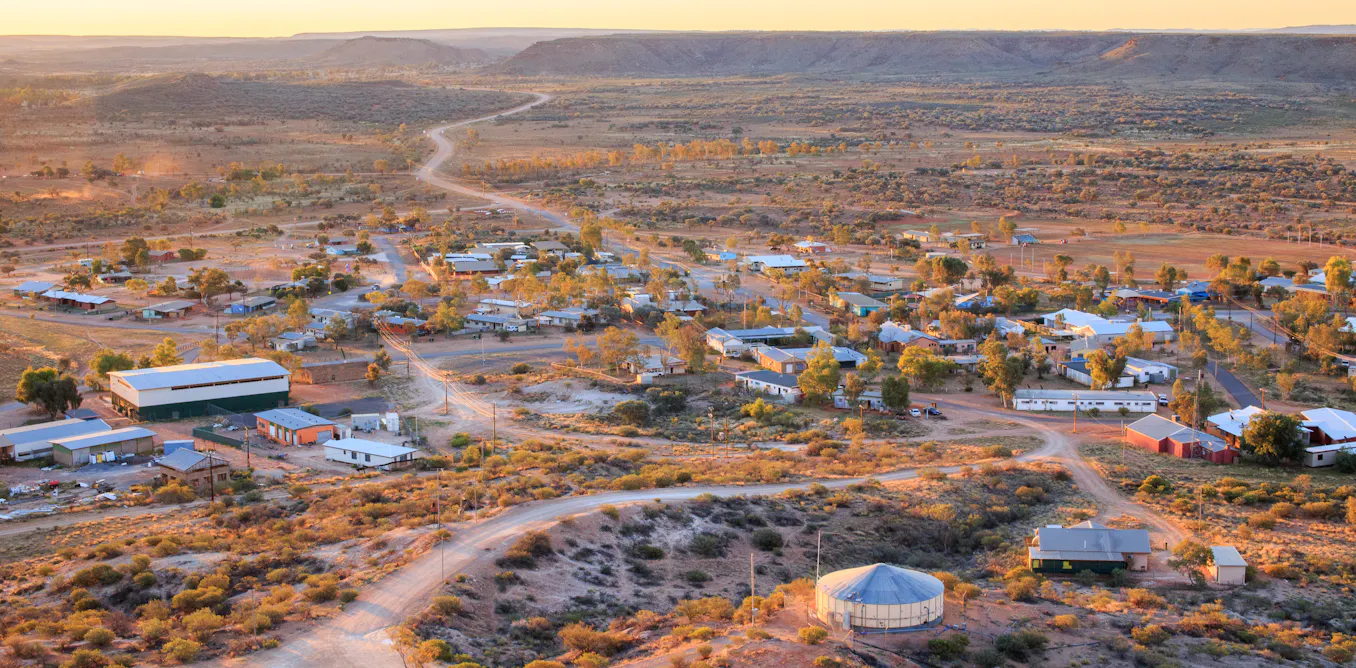
Remote Indigenous communities are experiencing disproportionate rates of diphtheria as the disease resurges across certain regions. Public health researchers attribute the outbreak partly to inadequate housing conditions that facilitate disease transmission in these areas.
Diphtheria, a bacterial infection preventable by vaccination, has largely disappeared from wealthy nations with robust immunization programs. The current outbreak reveals gaps in vaccine access and living conditions in remote Indigenous settlements. Crowded housing without proper ventilation creates environments where respiratory diseases spread rapidly from person to person.
The connection between housing inequality and infectious disease outbreaks is well-documented. Communities living in substandard conditions face compounded health risks. Poor sanitation, limited access to clean water, and overcrowding amplify transmission of airborne pathogens like diphtheria.
Healthcare infrastructure in remote Indigenous areas often remains underfunded. Vaccination clinics may operate infrequently or require travel distances that deter parents from seeking immunizations. When vaccination rates drop below community immunity thresholds, outbreaks become inevitable.
The outbreak exposes systemic failures rather than individual failures. Indigenous communities have historically received fewer resources for public health infrastructure. These longstanding disparities now manifest as preventable disease outbreaks that disproportionately harm children in these regions.
Public health officials recognize that vaccination campaigns alone cannot solve this crisis. Addressing the outbreak requires simultaneous investment in housing improvements, healthcare access, and vaccine distribution in remote areas. Communities need durable infrastructure alongside medical interventions.
The diphtheria outbreak serves as a wake-up call about health equity. Preventing future outbreaks demands commitment to reducing housing inequality and ensuring Indigenous communities receive equitable public health resources. Without addressing root causes of vulnerability, similar outbreaks will recur in populations experiencing systemic neglect.
CATEGORY