A gap separates educational research from classroom practice. University researchers produce findings about learning, instruction, and student outcomes, yet K-12 teachers and administrators struggle to access and implement these discoveries.
The disconnect stems from structural barriers between higher education and K-12 schools. Universities prioritize peer-reviewed publications and academic advancement. Schools operate under budget constraints and time pressures that leave little room for translating research into actionable strategies. No formal pathways exist for moving evidence-based practices from campus labs to district classrooms.
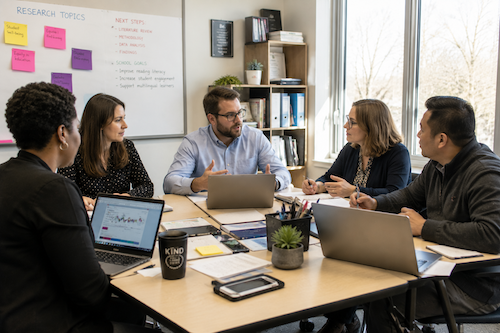
Higher education institutions can bridge this divide through deliberate collaboration. Universities should embed researchers directly in schools rather than studying classrooms from a distance. These partnerships allow researchers to understand real classroom constraints while helping educators ground decisions in evidence.
Professional development programs linking university faculty with teachers accelerate research adoption. When researchers communicate findings in accessible language, teachers can evaluate relevance to their contexts. Universities might create briefing documents, webinars, and workshops that translate jargon-heavy papers into usable guidance.
Funding structures matter. Grant agencies and university administrators should incentivize collaborative research. Promotion and tenure systems that reward research impacting practice, not just publication volume, shift institutional priorities.
Universities also benefit from positioning education schools and colleges as intermediaries. Schools of education historically bridge higher ed and K-12; strengthening this role helps disseminate research to future and practicing teachers.
Technology offers additional leverage. Open-access repositories of classroom-tested interventions, vetted by both researchers and practitioners, reduce barriers to discovery. Online communities connecting university scholars with school leaders enable ongoing dialogue.
These approaches require sustained commitment and resources. Yet the payoff justifies investment. When classrooms operate on evidence rather than tradition or intuition, student outcomes improve. Teachers gain confidence making instructional decisions backed by research. Universities enhance their relevance and social impact.
The responsibility rests with higher education to initiate partnerships,