# The Hidden Cost of Fragmented Student Data in K–12 Schools
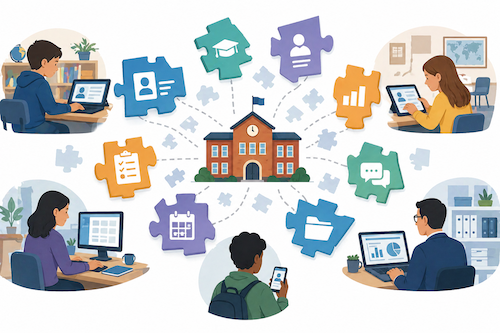
Student data lives in silos across American K–12 schools, fragmenting critical information that teachers, counselors, and administrators need to serve students effectively.
Schools typically store attendance records in one system, grades in another, behavioral data in a third, and health information in yet another. This fragmentation creates operational chaos. Teachers waste time pulling data from multiple platforms. Counselors miss early warning signs that a student is struggling because attendance data never connects with grade trends. Parents receive conflicting information from different departments about their child's progress.
The consequences extend beyond inconvenience. When data remains scattered, schools cannot build a complete picture of student needs. A child showing signs of learning difficulties in math, combined with recent attendance drops, might indicate a learning disability or a crisis at home. Integrated data would flag this pattern immediately. Fragmented systems miss it entirely.
Schools also struggle with compliance and accountability. Federal reporting requirements demand accurate, unified data on student outcomes, special education services, and disciplinary actions. Districts spend thousands of hours manually compiling reports from disconnected databases, introducing errors that can trigger audits or compliance violations.
The financial burden is real. Districts invest in multiple subscriptions to different platforms, each collecting overlapping information. Staff training multiplies across systems. Data entry duplicates across databases. One district's IT team might spend 40 percent of its time managing data migration and reconciliation rather than supporting instruction.
The school-home connection suffers most. Parents cannot access a single, reliable view of their child's academic progress, attendance, or behavior. Teachers send conflicting messages because they lack complete information. The trust between families and schools erodes.
Forward-thinking districts have begun integrating their student information systems. Districts like those using unified platforms report faster identification of at-risk students, reduced administrative burden, and stronger parent engagement.