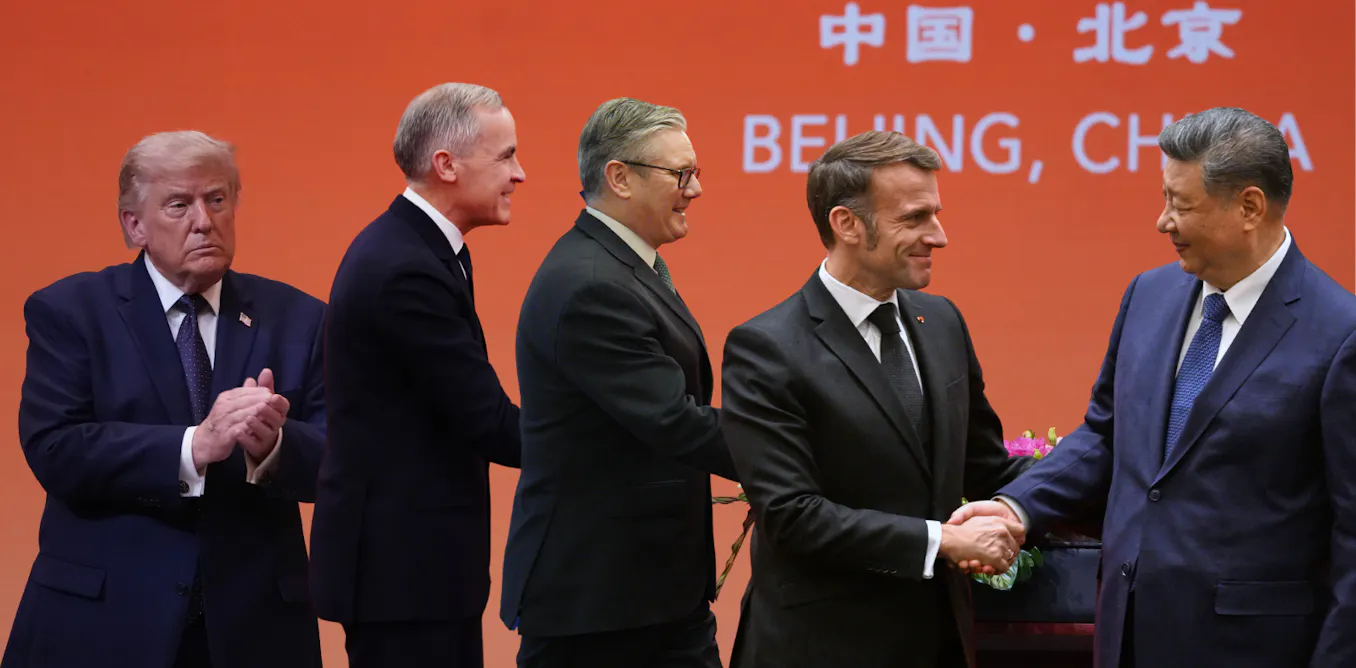
China has positioned Beijing as a central gathering place for world leaders, leveraging high-profile diplomatic events to project global influence. Yet scholars and analysts warn that hosting ceremonies and summits does not automatically convert visibility into concrete geopolitical power.
The parade of international delegations through Beijing's halls creates compelling images for domestic and international audiences. China's state media amplifies these moments, portraying the nation as a natural center of global governance. The frequency of such visits, particularly around Belt and Road Initiative forums and multilateral trade discussions, reinforces Beijing's aspirations to shape world affairs.
However, this optics advantage faces real constraints. China's ability to translate diplomatic hosting into binding commitments remains limited. Nations attending these events often maintain independent foreign policies that diverge from Beijing's preferences. Countries participate in Chinese-led forums while simultaneously deepening ties with the United States, Europe, and other regional powers.
The education sector reflects these broader patterns. While China recruits international students and exports educational models globally, adoption of Chinese curricula and pedagogical approaches remains patchy outside Asia. Universities in Beijing attract talent, but brain drain persists. Chinese degrees carry less weight in Western labor markets compared to credentials from American and European institutions.
For educators and policymakers, this reality matters. Students evaluating where to study should assess whether geographic proximity to global leaders translates into educational outcomes and career opportunities. Institutions partnering with Chinese counterparts need realistic expectations about knowledge transfer and research collaboration beyond formal agreements.
China's investment in educational soft power continues expanding. Yet visibility and actual influence operate on different planes. A nation can host the world's brightest minds without necessarily controlling their ideas, shaping their values, or directing their futures. Beijing's role as the world's living room remains incomplete because the conversations happening there do not always follow the host's script.