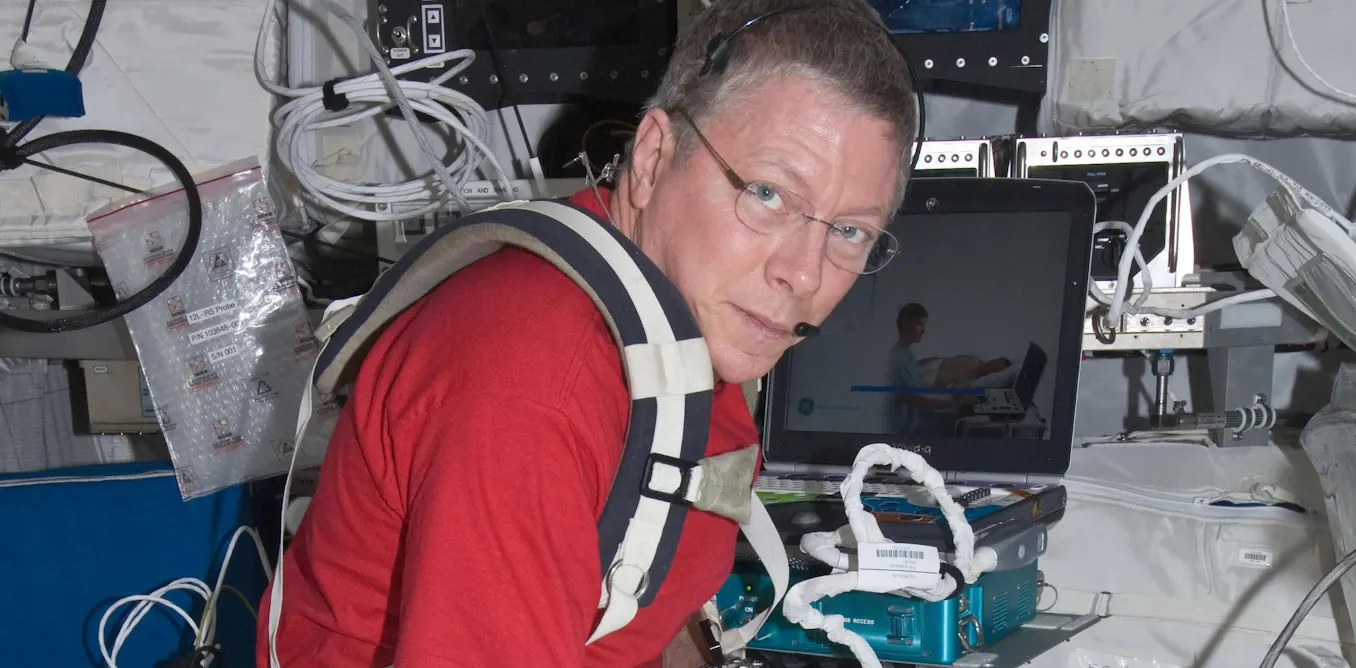
Researchers and space agencies are designing portable medical systems to support astronauts on the moon and Mars, addressing a critical gap in space exploration infrastructure.
Future lunar missions and Mars landings will require astronauts to operate far from Earth for extended periods. Current medical capabilities aboard spacecraft prove insufficient for the complexity of treating injuries or illnesses in deep space. Mobile medical systems, transportable between habitats and landing sites, could enable crews to respond to emergencies and manage routine healthcare during months-long missions.
The challenge extends beyond Earth-standard medicine. Low gravity environments alter how medications work, how wounds heal, and how the human body responds to treatment. Medical equipment designed for Earth's gravity often malfunctions in microgravity. Astronauts experience bone density loss, muscle atrophy, and vision changes during spaceflight, all requiring specialized monitoring and intervention.
Engineers are developing compact diagnostic tools, portable imaging systems, and modular treatment units that astronauts themselves can operate. These systems emphasize prevention and early intervention, since evacuating a sick astronaut from the moon or Mars is logistically complex and potentially impossible depending on mission phase.
Training becomes essential. Crew members will need medical certification beyond their primary roles. Telemedicine technology allows ground-based physicians to guide treatment in real time, though communication delays to Mars (up to 22 minutes one way) mean Martian crews must operate with greater autonomy than lunar teams.
This research bridges medical science, engineering, and human factors. Space agencies including NASA and ESA are funding projects to test these systems in Earth-based analog environments that simulate lunar and Martian conditions. Hospitals and medical device companies partner with space programs to adapt existing technology for space use.
The stakes are high. A medical emergency during a months-long mission could jeopardize the entire crew and mission objectives. Sustainable exploration depends on reliable healthcare systems that function reli