# The Sahel's Security Crisis Deepens as Foreign Intervention Falters
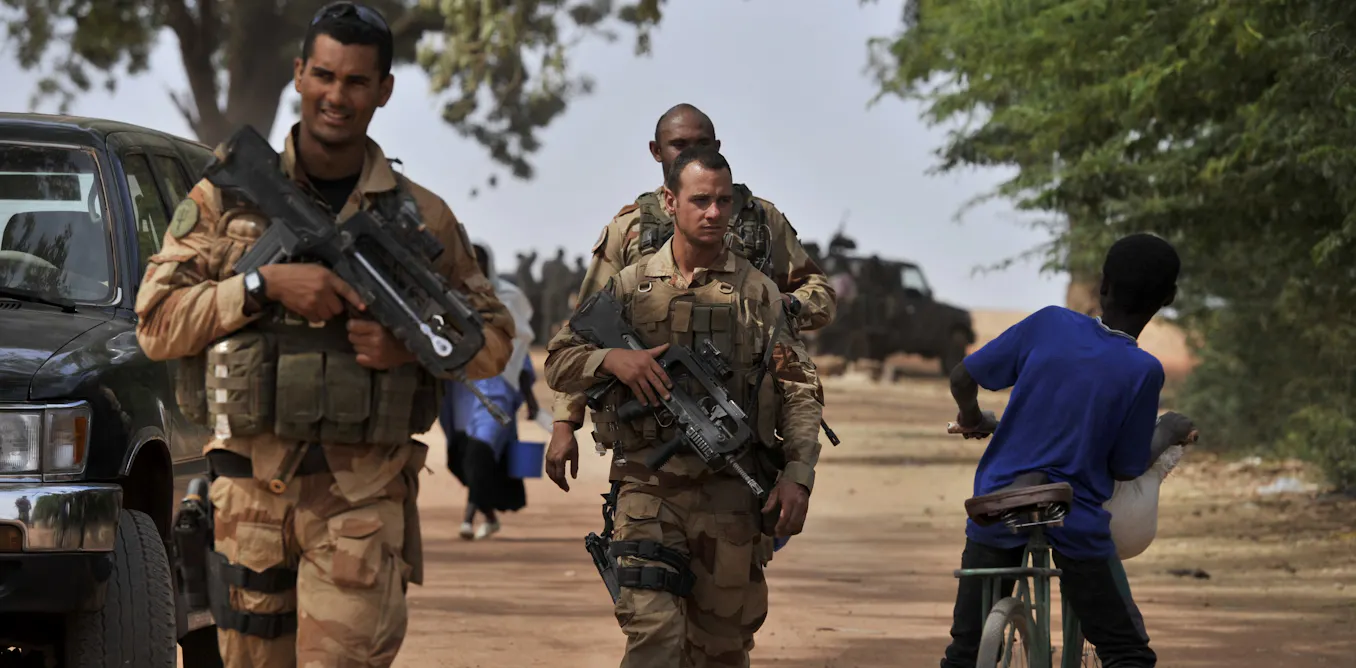
The Sahel region across West Africa has grown less stable despite over a decade of foreign military intervention, according to analysis from The Conversation. External security forces, rather than restoring order, have contributed to increased fragmentation, militarization, and violence across the region.
The strategy of deploying foreign troops to combat extremist groups and stabilize governance has produced the opposite effect. Countries including Mali, Burkina Faso, and Niger have experienced expanding conflicts, displacement crises, and deteriorating educational infrastructure. Schools in conflict zones have closed or been destroyed. Teachers face recruitment pressure from armed groups. Students lose years of learning as families flee violence.
The intervention cycle has created perverse incentives. Foreign military presence sometimes triggers local armed groups to adopt more extreme tactics to demonstrate strength or resist what residents perceive as occupation. This dynamic deepens community grievances rather than addressing underlying causes of instability: poverty, weak governance, land disputes, and ethnic tensions.
The education sector bears direct costs. UNESCO documented over 2,400 school closures across the Sahel by 2022, affecting nearly 800,000 students. Armed groups target teachers and schools as symbols of government authority. Families prioritize survival over enrollment. Learning losses compound across cohorts, leaving generations with reduced human capital.
Burkina Faso, Mali, and Niger have recently expelled French forces and turned toward Russian military partnerships, signaling regional rejection of previous approaches. Local populations often view foreign troops as ineffective or complicit in civilian casualties, undermining security objectives.
Experts increasingly argue that lasting stability requires addressing root causes: inclusive governance, economic opportunity, and conflict resolution mechanisms. Military force alone cannot substitute for political solutions. The Sahel's education systems need protection, teacher training, and funding that only comes through genuine peace agreements, not