# Learning Typologies and How Students Process Understanding
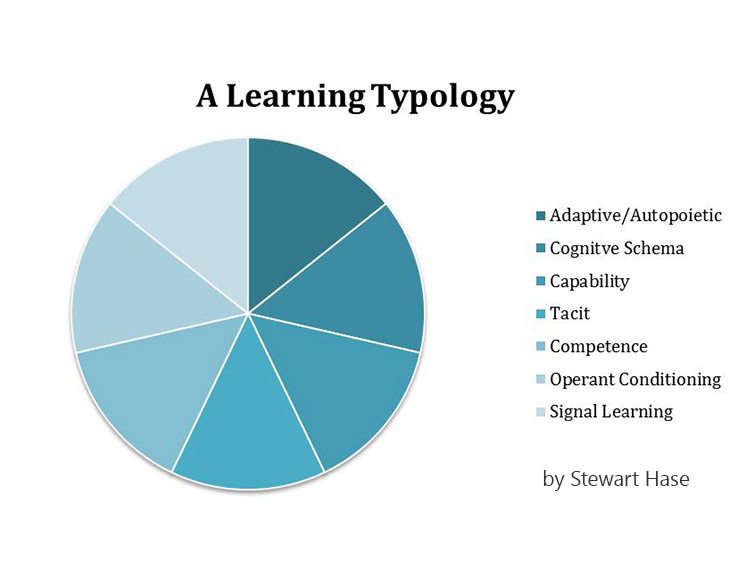
TeachThought has published a framework that distinguishes between seven different pathways through which learners acquire and process understanding. The piece frames its approach as a "typology" rather than a taxonomy, a subtle but important distinction in educational research.
A typology organizes concepts based on shared characteristics and relationships, while a taxonomy creates hierarchical classifications. This distinction matters for educators because typologies allow for overlapping categories and acknowledge that learning processes are interconnected rather than strictly ordered or ranked.
The seven learning pathways outlined in the framework represent different cognitive and experiential routes to comprehension. Rather than suggesting one superior method, the typology recognizes that students arrive at understanding through varied channels. Some learners grasp concepts through visual representation, others through narrative or logical sequence, and still others through hands-on experience or social interaction.
This framework aligns with existing educational research on learning preferences and multiple intelligences, though it positions itself as a descriptive model of how understanding actually develops rather than a prescriptive guide to learning styles. The distinction proves relevant given ongoing debate in education about whether tailoring instruction to supposed learning styles produces measurable benefits.
Educators can apply this typology by examining their instruction design. Do lessons incorporate multiple pathways to understanding? Are visual learners given graphic representations while kinesthetic learners have opportunities for movement or manipulation? Does the curriculum allow students to engage with material through different entry points?
The framework offers practical value for classroom teachers designing units, creating assessments, and differentiating instruction. Rather than labeling students as "visual learners" or "auditory learners," the typology invites teachers to ensure that all seven pathways appear regularly in curriculum design.
TeachThought positions this as a working model. The organization does not claim these seven pathways represent definitive cognitive science, but rather offers educators a usable framework for thinking about