South Africa faces a critical infrastructure crisis as its heavy reliance on diesel exposes vulnerabilities in the nation's power and transport systems. The country has built an unofficial economy around diesel generators and backup power systems that mask deeper failures in electricity generation and freight rail networks.
Eskom, South Africa's state-owned power utility, struggles with chronic electricity shortages. Businesses and households have turned to diesel generators to bridge gaps left by rolling blackouts and load shedding. This dependency has created what researchers call a "shadow infrastructure system" that compensates for systematic failures rather than solving them.
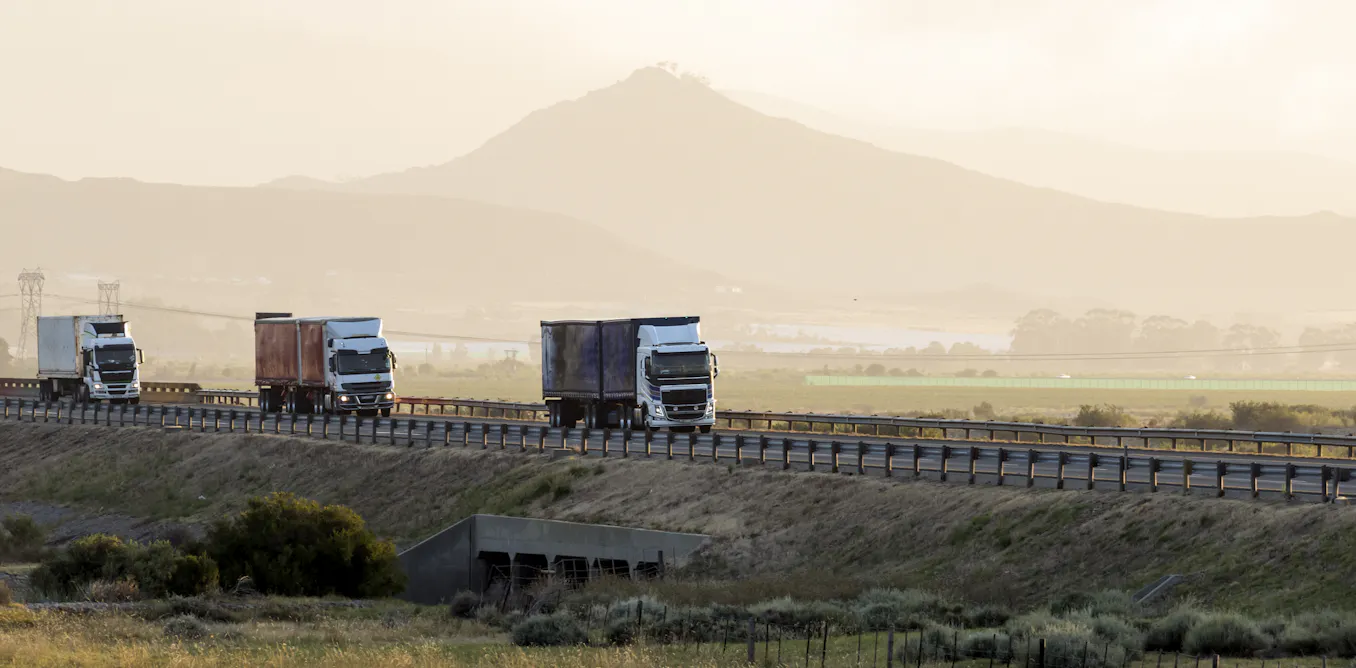
The freight rail network, operated by Transnet, faces similar challenges. Deteriorating rail infrastructure has pushed logistics companies toward diesel-powered trucking. This shift increases operational costs across supply chains and inflates prices for consumers.
Recent geopolitical tensions, including the Iran conflict, have disrupted global diesel markets and exposed South Africa's vulnerability. Diesel price volatility directly affects diesel-dependent businesses, from manufacturing to agriculture. Companies unable to maintain expensive generator operations face production shutdowns.
The economic toll runs deep. Diesel consumption for backup power diverts resources from productive investment. Small and medium enterprises struggle most. They lack the capital to invest in alternative energy solutions like solar installations or battery storage systems that larger corporations can afford.
Experts point to systemic governance failures. Eskom's operational challenges stem from decades of underinvestment and mismanagement. Transnet's rail infrastructure deterioration reflects similar institutional problems. These issues persist despite repeated commitments to reform.
South Africa's renewable energy sector offers potential relief. The government has approved new solar and wind projects, but deployment timelines remain slow. Industrial users increasingly adopt rooftop solar and battery systems, though this fragmented approach cannot replace coordinated national infrastructure reform.
The diesel dependency trap reflects a broader pattern: short-term coping mechanisms replacing long-term solutions. Until