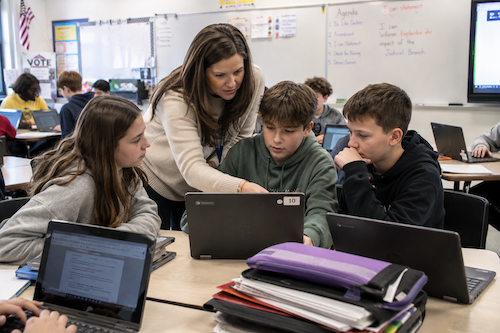
Illinois educators are developing statewide guidance for responsible AI use as artificial intelligence becomes embedded in daily classroom activities. The initiative, led by Teach Plus Illinois, addresses how students use AI tools for research, problem-solving, and creative work.
The effort centers on three core principles. First, guidance must reflect what actually happens in classrooms rather than theoretical ideals. Second, teacher leaders should drive policy development, not external consultants disconnected from school realities. Third, human connection must remain at the heart of education, even as AI tools proliferate.
This approach acknowledges a fundamental tension. Schools cannot ignore AI. Students already use chatbots, automated writing assistants, and algorithm-driven platforms. Banning these tools or pretending they don't exist wastes an opportunity to teach critical thinking about technology. Yet blanket adoption without safeguards risks undermining core skills like independent thinking and authentic writing.
Illinois educators recognize that AI guidance needs context. A calculator-level tool that helps students organize research differs fundamentally from one that generates essays. Using AI to brainstorm essay topics differs from using it to write conclusions. The state's approach attempts to distinguish between these scenarios rather than issue one-size-fits-all rules.
The emphasis on teacher leadership matters. Educators in classrooms understand where AI adds value and where it creates problems. They know which students use these tools as genuine learning aids versus shortcuts that mask gaps. They recognize how AI might help struggling readers access texts or hurt advanced writers if they never practice their craft.
Illinois joins a growing number of states grappling with AI policy. Some districts have blocked chatbots entirely. Others have adopted them wholesale. Most lack clear frameworks. Illinois' model, grounded in teacher voice and classroom reality, offers a middle path. Success depends on whether the state backs guidance with professional development, resources, and ongoing feedback from practitioners who actually teach students daily.