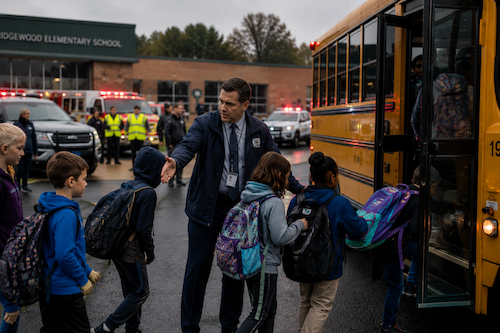
A school district implemented comprehensive safety planning that moved beyond theoretical exercises to demonstrate tangible protection for teachers and students. Rather than treating safety protocols as mere compliance checkboxes, the district developed integrated systems addressing multiple threat vectors.
Comprehensive school safety planning encompasses physical security measures, threat assessment procedures, staff training, emergency response drills, and mental health support services. Districts that treat these elements as interconnected systems rather than isolated requirements see better outcomes when crises occur.
The approach includes regular threat assessment teams that evaluate warning signs before incidents escalate. Staff receive training on recognizing behavioral concerns and reporting procedures. Physical infrastructure improvements address vulnerabilities like unsecured entry points and inadequate communication systems.
Mental health services play an equal role alongside security hardware. Schools that connect students showing distress to counselors and interventionists address root causes rather than relying exclusively on barriers and locks. This dual focus addresses both prevention and response.
Emergency drills matter only when executed seriously. Schools that conduct regular lockdown, evacuation, and shelter-in-place drills give staff and students muscle memory for crisis situations. Drills reveal gaps in communication systems or procedures that planning alone misses.
The difference between theoretical safety planning and effective planning lies in execution. A checklist gathers dust. A living system requires leadership commitment, staff buy-in, adequate funding, and regular evaluation.
Districts face real constraints. Metal detectors slow entry and create fortress-like atmospheres that harm learning environments. Hiring armed security officers strains budgets already stretched thin. Staff training requires time away from instruction.
Yet schools that prioritize comprehensive safety planning report teachers feel more supported and students feel more secure. These improvements extend beyond crisis response to classroom culture. When students trust that adults take their safety seriously and that mental health concerns receive attention, engagement increases.
The evidence suggests comprehensive planning works when districts reject shortcuts. Single solutions like security cameras alone or counselors alone prove