# Global Media Networks Simplify Ethiopia's Conflicts
International news outlets have drastically oversimplified Ethiopia's complex humanitarian crisis over the past five years, according to new research analyzing global media coverage patterns.
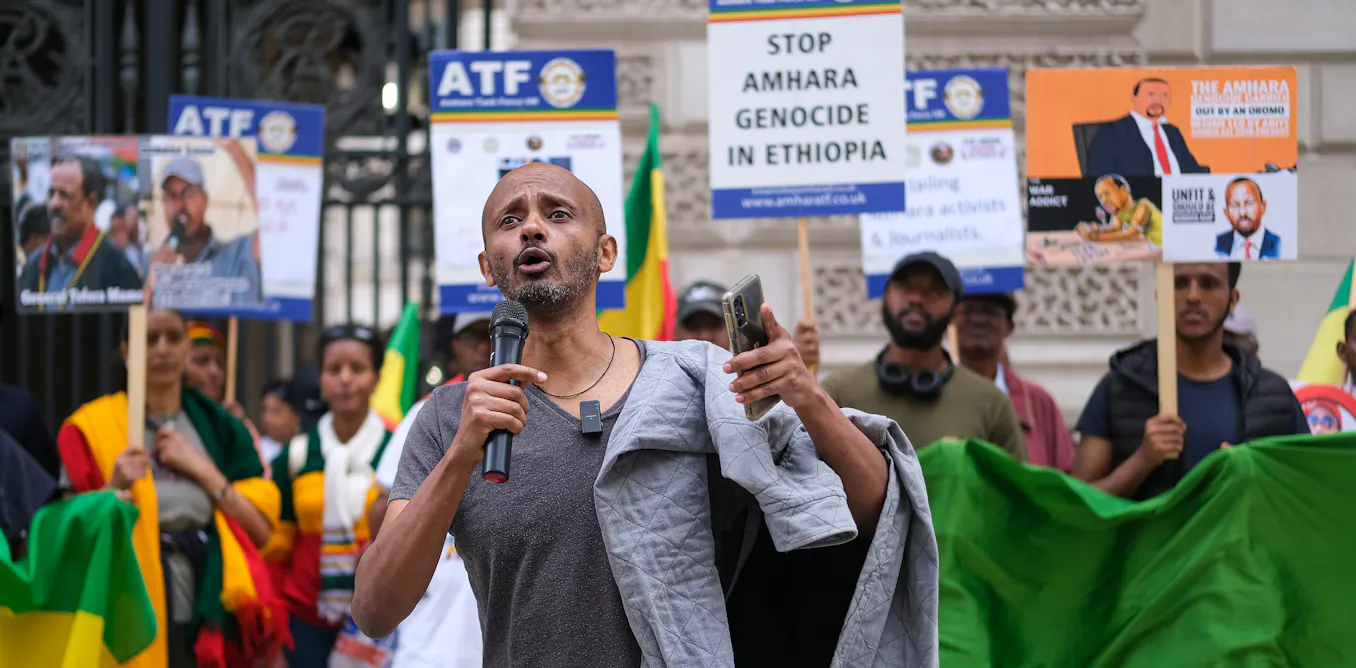
A five-year data analysis reveals that major international media networks concentrate coverage on a single conflict within Ethiopia, rather than addressing the interconnected crises affecting the nation. The Tigray war received substantial attention, but this focus often eclipsed simultaneous conflicts in the Amhara region, the Oromia region, and other areas experiencing violence and displacement.
This coverage gap matters because it shapes how donors, policymakers, and the international community understand and respond to Ethiopia's humanitarian needs. When media outlets treat one conflict as the defining story, funding priorities and diplomatic efforts often reflect that incomplete picture.
The research demonstrates that global news networks operate within structural constraints that favor singular, easily framed narratives. Ethiopia's layered conflicts involve multiple armed groups, shifting alliances, and overlapping displacement crises. This complexity challenges the straightforward reporting that major outlets typically deliver to global audiences.
The data exposes how editorial decisions in Western newsrooms determine which African crises receive international attention and resources. Journalists and editors at outlets serving global audiences face real pressures to select clear story lines. A conflict with visible military lines and established protagonists generates easier coverage than distributed, intercommunal violence or localized resource conflicts.
This pattern has concrete consequences. Regions experiencing less-covered violence received comparatively fewer humanitarian resources and less diplomatic pressure on combatants to protect civilians. Aid organizations and UN agencies struggled to secure funding for crises that never reached major headlines.
The research underscores a persistent challenge in international journalism: the gap between what matters most to affected populations and what global media systems choose to report. Ethiopia's humanitarian situation demanded coverage of multiple simultaneous conflicts, not singular focus on one crisis. Understanding how media networks