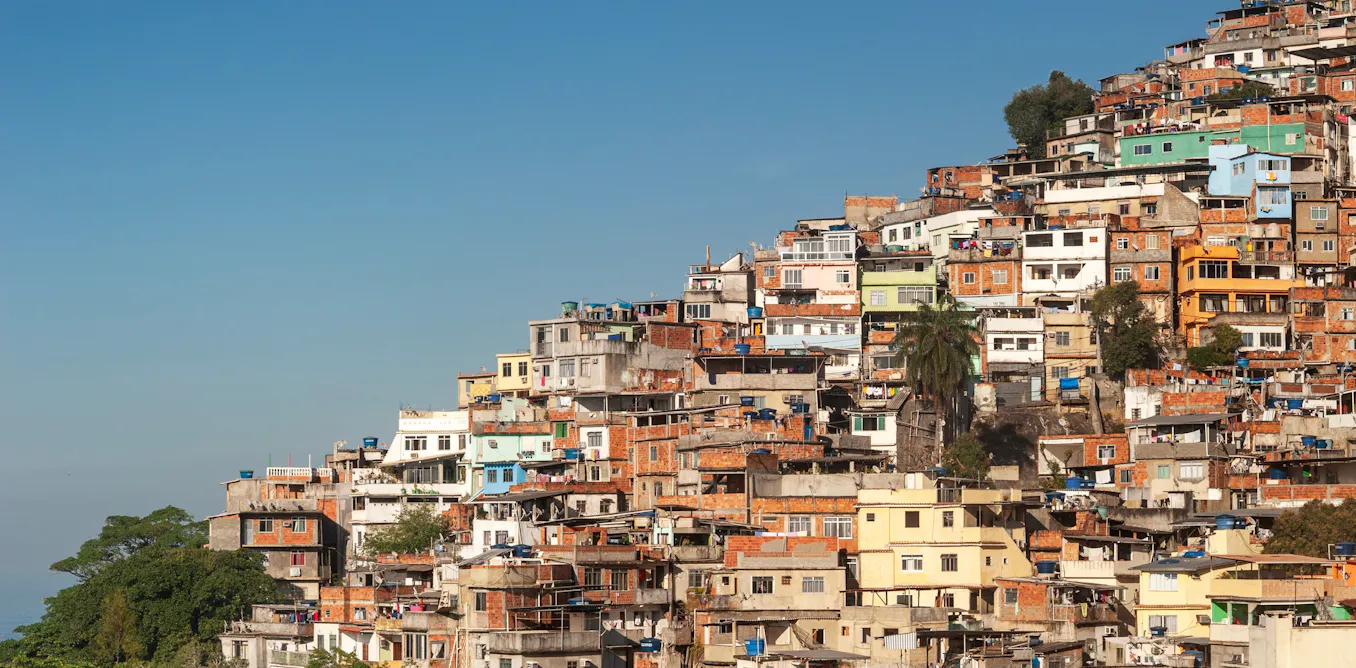
# Extreme Heat Hits Poorest Neighborhoods Hardest
Rising temperatures expose a stark inequality: wealthy and poor neighborhoods within the same city experience dangerously different heat conditions. Low-income areas lack the resources to combat extreme heat, creating a public health crisis that disproportionately affects vulnerable populations.
The problem stems from multiple factors. Poor neighborhoods often have fewer trees and green spaces, which naturally cool air through shade and evaporation. Buildings in these areas tend to be older, with poor insulation and broken air conditioning systems. Infrastructure in low-income communities receives less maintenance, meaning fewer functional cooling centers and water fountains during heat waves.
Economic barriers compound the danger. Residents in poverty-stricken areas cannot always afford air conditioning, high electricity bills, or relocation during heat emergencies. They work outdoor jobs with limited access to shade or cooling breaks. Public transportation in these neighborhoods often lacks air-conditioned vehicles, forcing people into dangerous conditions during their commute.
Heat illness and death rates follow the poverty map. Hospital emergency departments in low-income areas see spikes in heat-related admissions during extreme weather events. Children, elderly people, and those with chronic illnesses face the greatest risk.
Cities are beginning to address this disparity through targeted interventions. Some municipalities install additional cooling centers in vulnerable neighborhoods, create tree-planting initiatives in heat islands, and upgrade community buildings with air conditioning. A few cities have launched emergency alert systems that specifically reach low-income residents without reliable technology access.
Climate change accelerates this crisis. As global temperatures rise, heat waves become more frequent and intense. Without deliberate action to equip poor neighborhoods with cooling infrastructure and resources, heat will continue killing residents in areas least able to protect themselves.