# How London, Paris and New York Coped With Historical Heatwaves
Urban centers across Europe and North America developed distinct strategies to manage extreme heat long before modern air conditioning became standard. Historical records from London, Paris, and New York reveal how 19th and 20th century residents adapted to dangerous temperatures in densely packed cities.
London residents relied heavily on nighttime cooling. They opened windows after sunset to capture cooler air and slept on upper floors where heat rose from ground level. Public bathhouses expanded their hours, offering affordable relief to working-class families who lacked private bathing facilities. Parks and public spaces became informal cooling centers where residents gathered during peak heat hours.
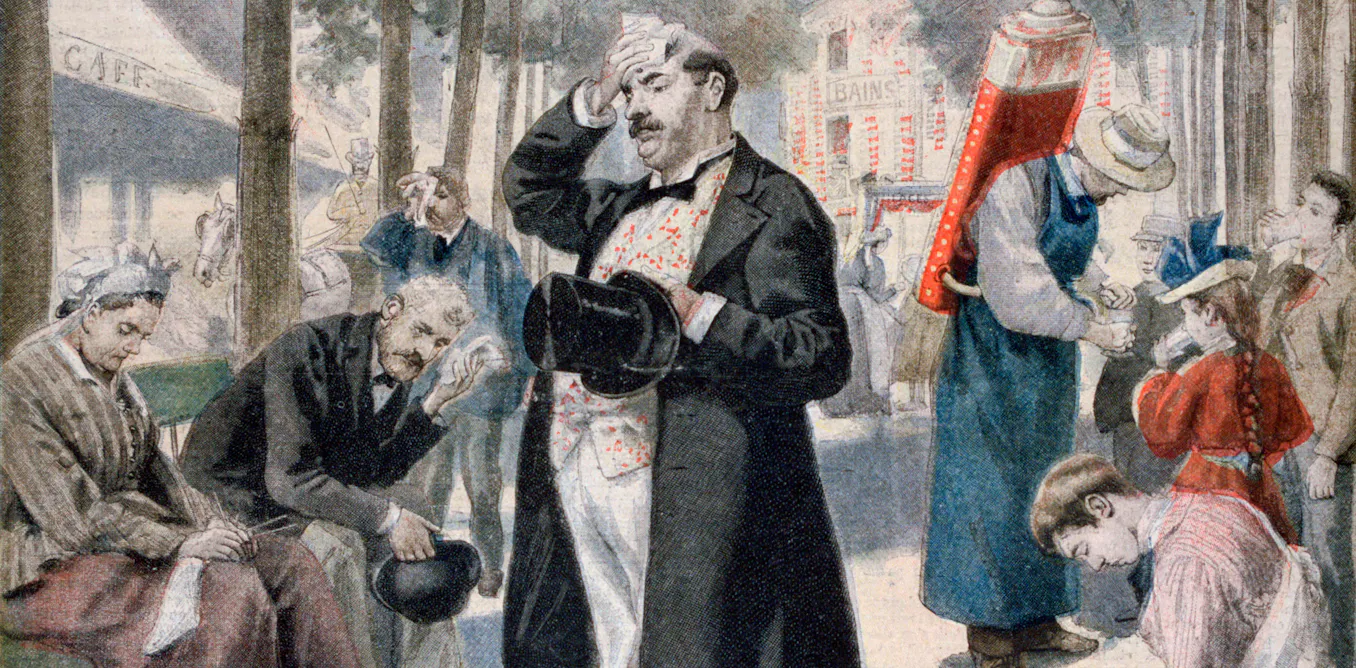
Paris implemented urban design solutions. The city expanded water features and fountains in public squares, recognizing that flowing water reduced ambient temperatures. Authorities encouraged residents to use lighter clothing and adjusted factory work schedules, moving labor to early morning hours before heat peaked. Street-level vendors sold cold drinks and ice products, creating informal cooling commerce.
New York took a more interventionist approach. The city opened cooling centers in public buildings and swimming pools during heat emergencies. Municipal officials distributed ice to residents, and newspapers published daily heat safety guidance. By the early 20th century, hospitals tracked heat-related deaths as a public health metric.
All three cities shared common patterns. Wealthy residents escaped to cooler suburbs or country estates during peak heat months. Poorer residents remained in city centers, using water sources, public spaces, and modified work schedules as their primary relief. Trees became increasingly valued for shade, prompting some cities to expand street planting programs.
These historical adaptations offer lessons for contemporary cities facing climate change. Public bathhouses, extended park hours, adjusted work schedules, and strategic tree planting remain cost-effective cooling strategies. The methods that worked a century ago demonstrate that heat management depends less on technology than on community coordination