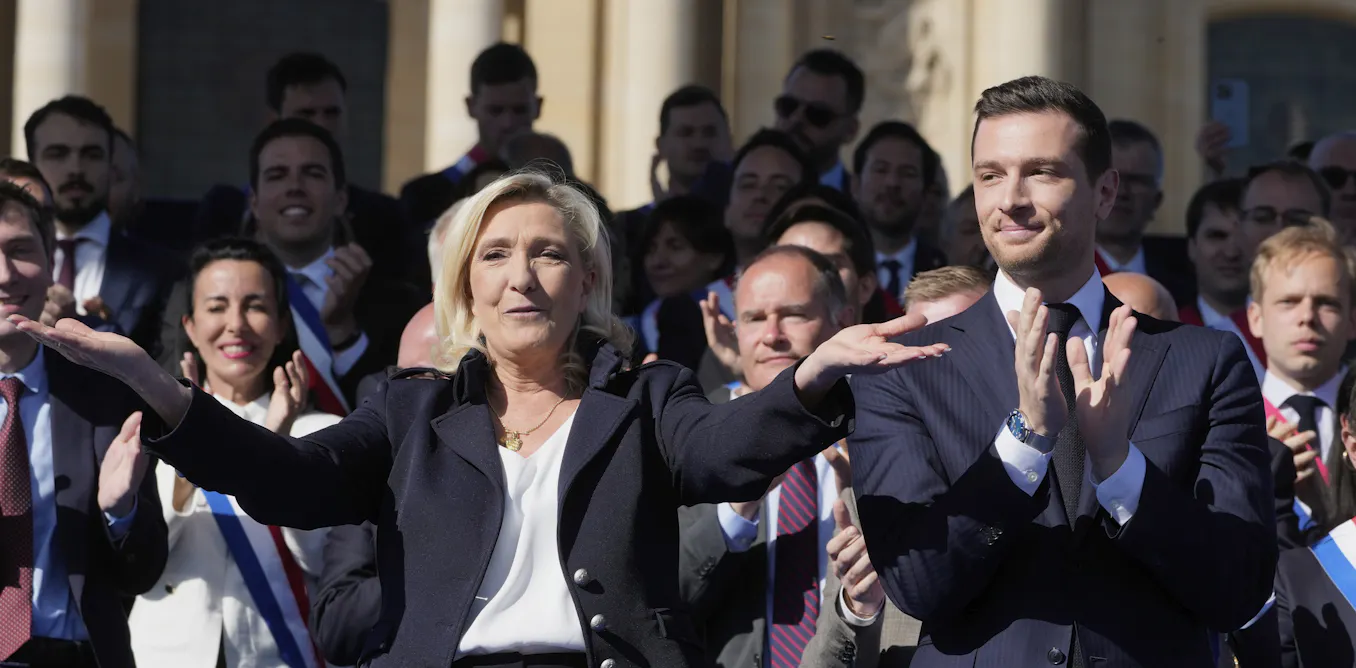
Far-right parties are gaining electoral strength across Europe, creating uncertainty about sustained military and financial support for Ukraine. Recent election results in France and Germany show populist movements challenging establishment parties that have backed Ukraine's defense against Russian invasion.
French National Rally leader Marine Le Pen and Germany's Alternative for Germany (AfD) have questioned expensive aid packages to Ukraine and advocated closer ties with Russia. These parties now command significant parliamentary influence in their respective countries. France's National Rally doubled its seats in recent elections, while AfD ranks as Germany's third-largest party.
The policy shift carries real consequences. Ukraine relies on European military equipment, air defense systems, and billions in aid from EU members. Germany alone has provided over 10 billion euros in support since 2022. France contributes weapons and diplomatic leverage as a permanent UN Security Council member.
Far-right parties typically oppose what they frame as open-ended foreign commitments. Le Pen has called for negotiated settlements rather than military escalation, while AfD leadership questions whether Ukraine can win and suggests aid diverts resources from domestic needs. Hungary's Viktor Orban, already in power, has blocked EU aid packages and visited Moscow, signaling that European unity on Ukraine support fractures when populists control foreign policy.
The timeline matters. Ukraine's defense depends on sustained, predictable assistance. A shift toward far-right governments could reduce weapons shipments, freeze aid increases, or condition support on territorial concessions to Russia. Even if these parties don't achieve outright control, their parliamentary strength forces centrist coalitions to negotiate, potentially weakening aid commitments.
Education systems in affected countries also face indirect pressure. Military budget debates intersect with school funding priorities. Countries spending heavily on Ukraine have debated whether those resources could address domestic education needs, an argument far-right parties leverage during campaigns.
Long-term European stability and Ukraine's ability to resist Russian pressure hinge partly