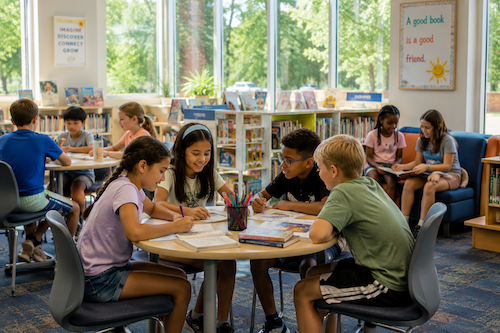
Summer breaks create widening achievement gaps between low-income and affluent students, research shows. While wealthy families invest in camps, tutoring, and enrichment programs, many lower-income children experience "summer slide," losing academic skills during the three-month break.
This disparity compounds over years. Students from families earning less than $35,000 annually fall further behind peers from families earning over $100,000, according to literacy research spanning 35 years. By fall, some children enter the school year having lost months of reading progress.
Districts and nonprofits now treat summer as a deliberate intervention strategy rather than vacation time. Evidence-based summer programs focus on literacy, math, and social-emotional learning rather than traditional enrichment. Successful models combine academic instruction with meals, transportation, and family engagement to remove barriers that keep low-income families from participating.
Partnership models matter. Schools coordinate with community organizations, libraries, and youth centers to expand capacity and reach. Programs that involve parents in literacy activities at home extend learning beyond school hours, multiplying program effects.
Attendance remains the central challenge. Programs must address transportation gaps and scheduling conflicts that prevent enrollment. When families receive direct support, participation climbs. Some districts offer stipends for attendance or integrate summer programs with childcare services.
The research foundation is clear: unequal summer access drives unequal outcomes. Districts that treat summer strategically, starting with high-need populations, see measurable gains in fall reading levels and math performance. These gains persist into the school year when follow-up support continues.
Summer learning is no longer optional for closing opportunity gaps. Schools increasingly recognize that building equitable outcomes requires year-round commitment, not just traditional nine-month calendars. Strategic summer programming represents one of the most direct paths to reducing achievement disparities before children fall too far behind.