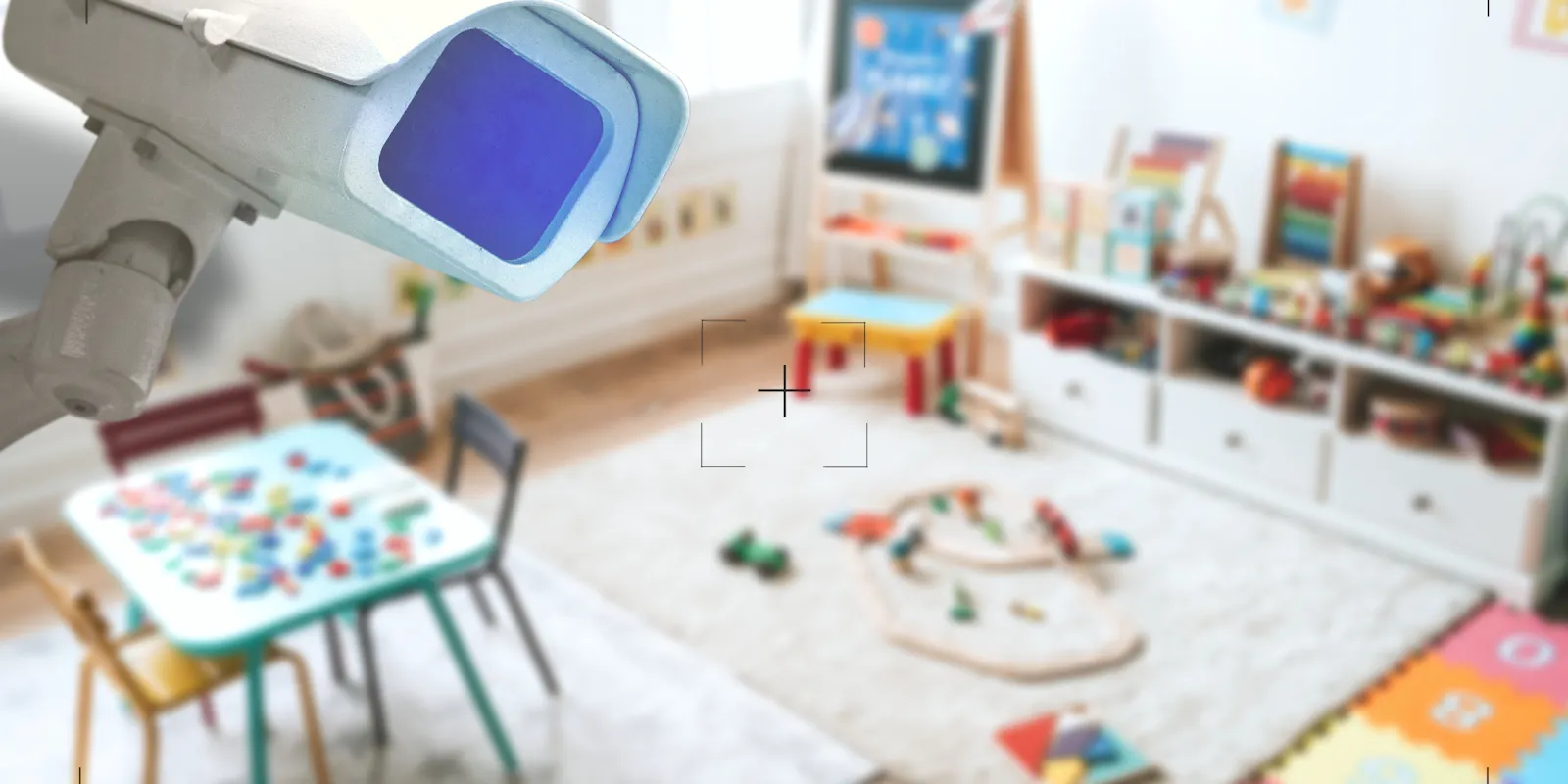
# Surveillance Cameras in Special Education Classrooms Spark Advocacy Concerns
States are expanding surveillance camera installations in special education classrooms, a move that has drawn pushback from disability rights advocates and privacy watchdogs who worry about student protections and data security.
The push reflects a dual impulse. School administrators cite safety concerns, particularly the need to document incidents involving students with significant behavioral or emotional needs. Some districts argue cameras can protect both students and staff by creating objective records of classroom interactions and preventing disputes over what happened during confrontations.
But advocates raise serious objections. Disability rights groups worry that constant video monitoring may discourage students with disabilities from engaging fully in their education, particularly those with trauma histories or anxiety. Privacy concerns extend to data storage, access controls, and potential misuse of footage. Questions remain about who views recordings, how long districts retain them, and whether parents always consent to filming.
The issue touches on broader tensions in special education. Students in these settings are among the most vulnerable in schools. Federal law requires individualized education plans and appropriate accommodations, yet some students experience restraint, seclusion, and other aversive practices. Advocates see cameras as a tool that could expose abuse, but only if footage is properly protected and used transparently.
States implementing or considering camera policies have taken different approaches. Some require parental notification and opt-out options. Others build in staff training on appropriate monitoring practices. None have reached consensus on best practices.
The stakes are high for families. Parents of children with disabilities depend on schools to provide safe, supportive environments. They need assurance that cameras protect rather than surveil their children, and that footage serves accountability rather than surveillance.
Disability advocacy organizations continue pushing for clearer guidelines on camera use in special education, including explicit consent requirements, data protection standards, and limitations on footage access and retention.