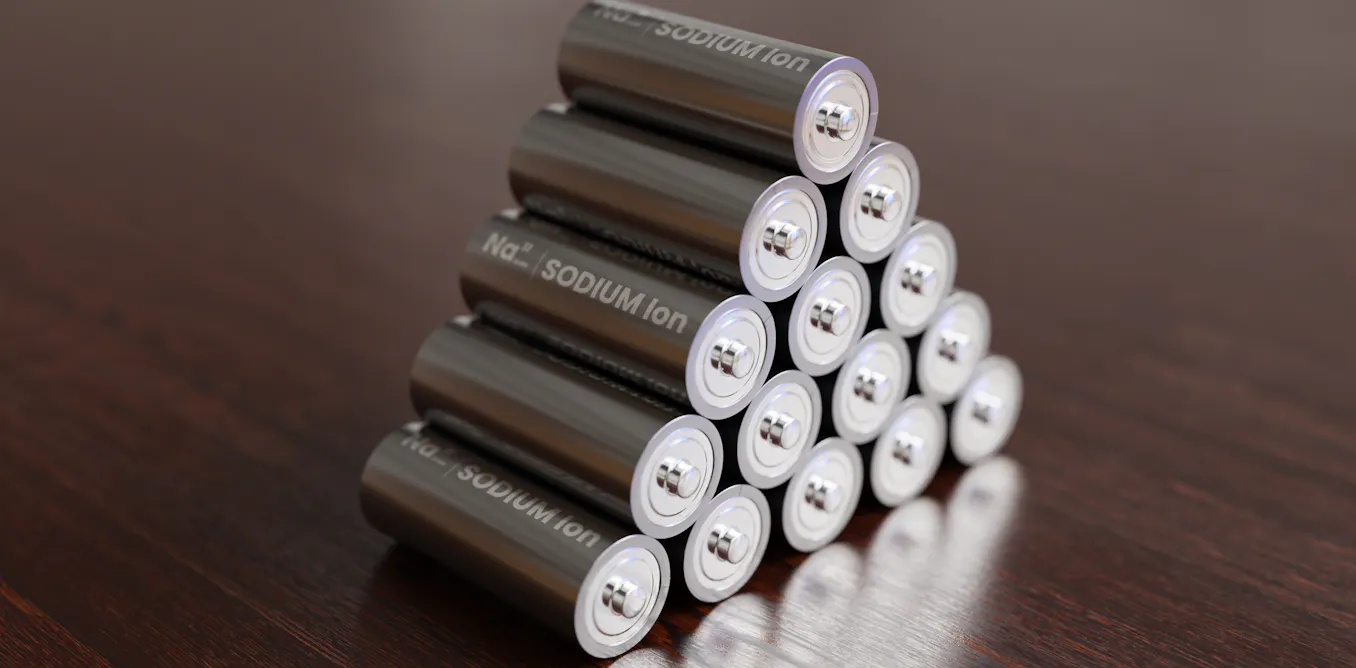
Sodium-ion batteries represent a potential shift in energy storage technology, offering access to far more abundant raw materials than lithium-based systems. Sodium ranks among the most common elements on Earth, whereas lithium remains scarce and geographically concentrated, creating supply chain vulnerabilities for schools, universities, and educational technology providers that depend on battery-powered devices.
The trade-off is stark. Sodium-ion batteries currently underperform lithium alternatives in energy density, charging speed, and overall lifespan. For students and educators relying on laptops, tablets, and other portable tech, this means shorter battery life and potentially less reliable devices in classroom settings.
Research institutions are actively working to close this performance gap. Scientists have made progress improving sodium-ion chemistry, but widespread adoption remains years away. The cost advantage of sodium extraction and processing could eventually make these batteries cheaper to produce, which might lower prices on student devices and educational equipment. However, manufacturers have not yet demonstrated that sodium-ion batteries can match lithium's performance metrics consistently.
The transition also raises questions about battery recycling and waste management in educational settings. Schools already struggle with e-waste protocols. New battery chemistry could complicate existing recycling infrastructure unless manufacturers design sodium-ion systems with end-of-life recovery in mind.
For now, lithium-ion batteries remain dominant in education technology because performance trumps abundance. Teachers and students expect devices that hold charges through full school days and survive multiple years of use. Sodium-ion technology may eventually serve specific applications, such as stationary energy storage for campus microgrids or backup power systems, where performance demands are lower.
The timeline for mainstream adoption in education technology likely extends beyond five years. Manufacturers must overcome engineering challenges, prove reliability in testing, and establish supply chains. Until sodium-ion batteries match lithium performance at comparable costs, schools will continue purchasing devices built around existing battery chemistry.
CATEGORY