# Why Buttons and Zippers Sit on Opposite Sides of Men's and Women's Clothing
The placement of buttons and zippers on opposite sides of men's and women's garments stems from centuries of historical practice, not functional necessity.
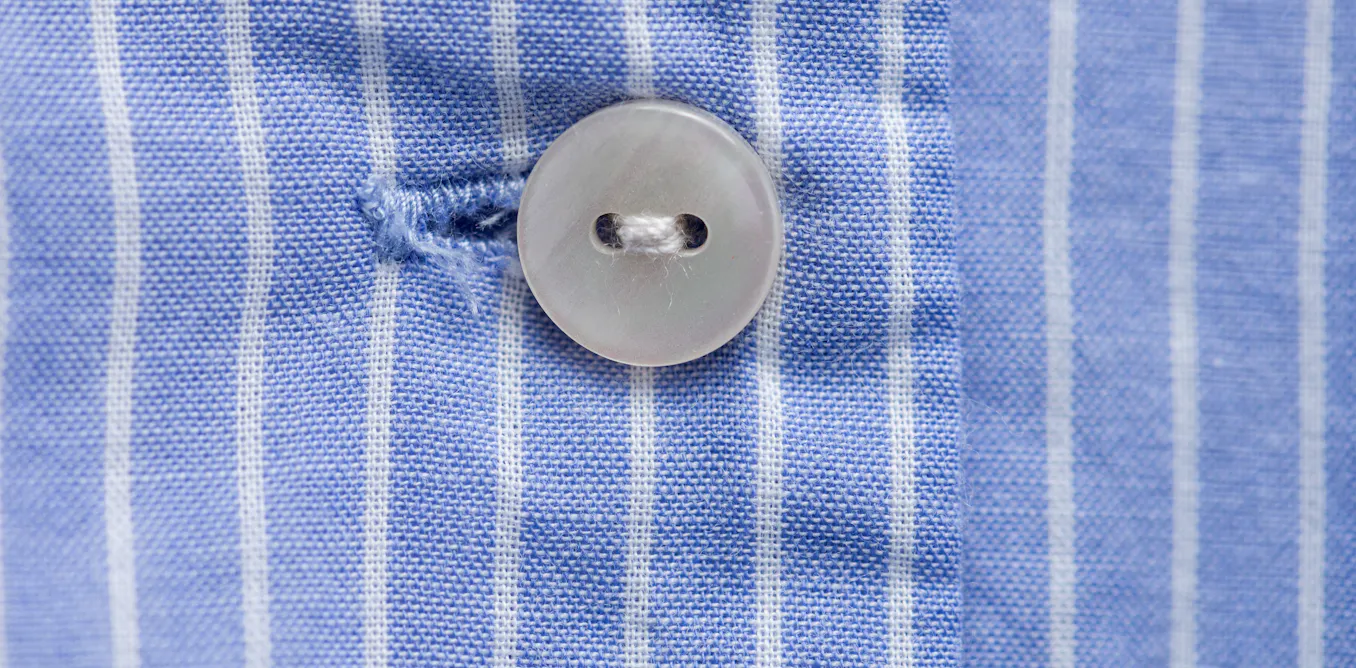
For men's clothing, buttons appear on the right side of the chest and torso. This convention originated in the 17th century when wealthy men dressed themselves rather than relying on servants. Right-handed dressing proved easier when buttons ran right-over-left. The practice stuck and became standardized across menswear.
Women's buttons face the opposite direction, left-over-right. Historical records suggest this reversed pattern emerged when wealthy women relied on servants or lady's maids to dress them. A servant facing the wearer would find left-over-right buttons easier to fasten from their perspective. The servant's right hand naturally aligned with the wearer's left side.
Over time, these practical accommodations became entrenched as style conventions. Generations of tailors, manufacturers, and consumers simply accepted the pattern as normal. Today, the distinction persists despite most people dressing themselves.
The same logic applies to zippers on jackets and hoodies. Men's zippers pull upward on the right side. Women's zippers pull upward on the left side. The orientation reflects these centuries-old buttonhole traditions, creating an aesthetic consistency within gendered clothing lines.
This historical quirk reveals how arbitrary fashion standards can become deeply embedded in culture. A practical solution for servants dressing their employers transformed into a universal marker of gendered clothing. Few people question why a button placement matters, yet manufacturers maintain the distinction across virtually all commercial apparel.
Changing this standard would require coordinated effort across the entire fashion industry. The expense and effort involved in retooling production lines make it unlikely to shift soon. Buttonholes remain where centuries of