# The Hidden Cost of Fragmented Student Data in K–12 Schools
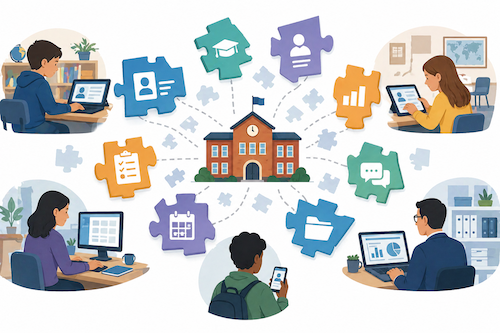
K-12 schools operate with student data scattered across disconnected systems, creating operational barriers that undermine teaching effectiveness and school-home communication. When attendance records live in one platform, grades in another, and behavioral information in a third, administrators and teachers waste time reconciling information instead of using it to help students.
The fragmentation problem stems from schools adopting multiple software vendors over time without unified integration. A student's complete picture remains incomplete. Teachers cannot see comprehensive learning profiles. Counselors lack full context when supporting struggling students. Parents receive inconsistent information from different school systems. Administrators spend resources managing data silos rather than analyzing patterns that reveal student needs.
This inefficiency carries real costs. Staff spend hours each week manually transferring data between systems, work that could focus on instruction. Schools risk data errors that lead to incorrect student placement or missed interventions. When special education records, English learner data, and classroom performance sit in separate databases, identification of students needing additional support slows down. Students who would benefit from early intervention slip through gaps between systems.
The school-home relationship suffers too. Parents navigate multiple platforms to check grades, receive attendance alerts, or communicate with teachers. This fragmentation sends mixed messages about their child's progress and can delay parents from responding to academic or behavioral concerns.
Integration requires investment. Schools must either choose unified platforms that consolidate functions, retrofit existing systems with middleware that connects them, or migrate data to new solutions. Many districts hesitate because upfront costs are visible while efficiency gains appear gradual. Yet schools that invested in data consolidation report faster response times to student issues, better targeting of interventions, and improved communication with families.
The hidden cost of fragmentation extends beyond time and money. It affects student outcomes. When schools cannot easily access complete, accurate data, they make slower decisions about which students need